
Textile and Apparel Inspection Services
Zurich Inspection is an independent third-party inspection company providing textile and apparel inspection services for brands, retailers, importers, manufacturers, and sourcing teams that need verified facts before approving production, shipment, supplier performance, or corrective action.
Our textile inspectors and garment quality inspectors verify garments, fabrics, home textiles, uniforms, and soft goods directly at factories, warehouses, packing areas, and loading sites against defined specifications, approved references, measurement tolerances, labeling requirements, packaging instructions, and AQL sampling where agreed. Findings are documented through photos, measurements, counts, defect classification, and a structured report that supports release, hold, corrective action, sorting, or reinspection decisions.

Independent third-party textile inspection

Textile inspectors in 50+ countries
24-hour reports
AQL inspection
What Makes the Inspection Independent
Zurich Inspection verifies textile and apparel products directly on site against the client’s specifications, approved references, size charts, labeling requirements, packaging instructions, and agreed acceptance criteria. Zurich does not manufacture, source, trade, or sell the products inspected. Findings are based on what is observed, measured, counted, photographed, and documented during the assignment.
Scope defined before inspection
Specifications, AQL level, checklist, product details, supplier location, and inspection timing are reviewed before assignment.
Inspector matched to product and location
Textile and garment inspectors are assigned according to product type, production stage, country, language, and required experience.
Findings supported by evidence
Reports include photos, quantities, measurements, defect classification, limitations, and conclusions based on defined criteria.
Inspection Scope for Textile and Apparel Supply Chains
Textile and apparel supply chains face quality risks at every stage, from fabric preparation and cutting to sewing, finishing, labeling, packing, and loading. A shipment can appear ready while still containing size deviations, shade variation, stitching defects, incorrect labeling, missing accessories, packaging issues, or carton quantity discrepancies. Zurich Inspection verifies actual product condition on site against defined specifications, approved samples, size charts, labeling requirements, packaging instructions, and agreed acceptance criteria.
Textile and apparel inspections can be used to verify:
- product conformity against purchase orders, tech packs, approved samples, size charts, and client checklists
- workmanship and appearance
- dimensions and size tolerance
- fabric condition, trims, labels, accessories, and packaging
- carton quantity, assortment, barcode, and shipping marks
- production status and packing status
- defects classified as critical, major, or minor
- shipment readiness based on agreed criteria
Zurich Inspection supports textile and apparel buyers who need an independent inspection company to confirm what is happening on site before goods leave the factory, warehouse, consolidation center, or loading area.
Why Third-Party Textile Inspection Matters
Apparel suppliers may conduct their own internal checks, but buyer decisions often require independent verification. Zurich Inspection provides third-party inspection findings based on what is observed, measured, counted, checked, photographed, and reported on site.
Third-party textile and apparel inspection helps clients:
- reduce shipment risk
- detect defects before goods leave the factory
- avoid costly returns and claims
- verify supplier corrective action
- protect brand reputation
- support release, hold, sorting, or rework decisions
- improve supplier accountability
- document quality issues with clear evidence
- prevent disputes based only on supplier statements
- support importer, retailer, or brand quality records
In textile and apparel supply chains, verification means seeing the product, checking the details, documenting the evidence, and reporting the facts before the shipment decision is made.
Zurich Inspection does not manufacture, source, trade, or sell the textile and apparel products inspected. This separation protects the objectivity of the inspection result. The client defines the specifications and acceptance criteria; Zurich verifies the field reality and reports what is observed.
Zurich’s role is to verify field reality against the client’s requirements and report what is observed, measured, counted, and documented on site.
Textile Inspection Stages and Related Services
Textile and apparel quality control is most effective when the inspection type matches the production stage. Zurich Inspection supports pre-production inspection, during production inspection, fabric inspection, pre-shipment inspection, container loading inspection, product sorting, product rework, and supplier verification audits for textile and apparel supply chains. Related services such as social audits or inspection staffing can be scoped separately when required.
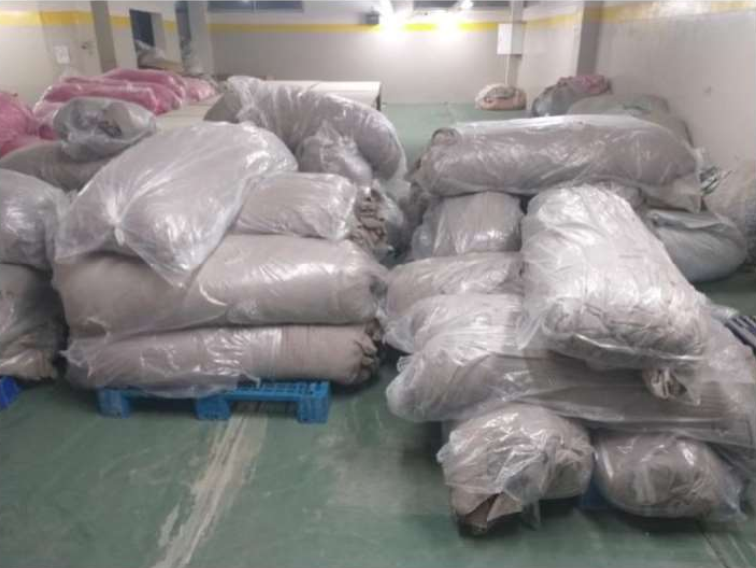
Before production starts, Zurich Inspection can verify whether the supplier is ready to manufacture according to the buyer’s requirements. This may include checking fabrics, trims, labels, accessories, approved samples, size references, packaging materials, production planning, and initial product conformity before cutting or bulk sewing begins.
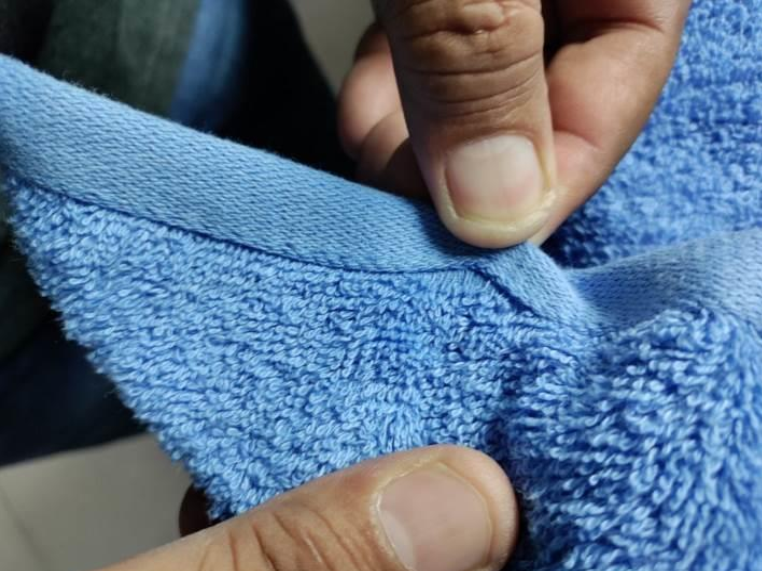
During production, Zurich Inspection checks the order while manufacturing is still in progress. This helps detect workmanship issues, measurement deviations, shade variation, labeling problems, finishing defects, or packing inconsistencies early enough for the supplier to take corrective action before the full order is completed.
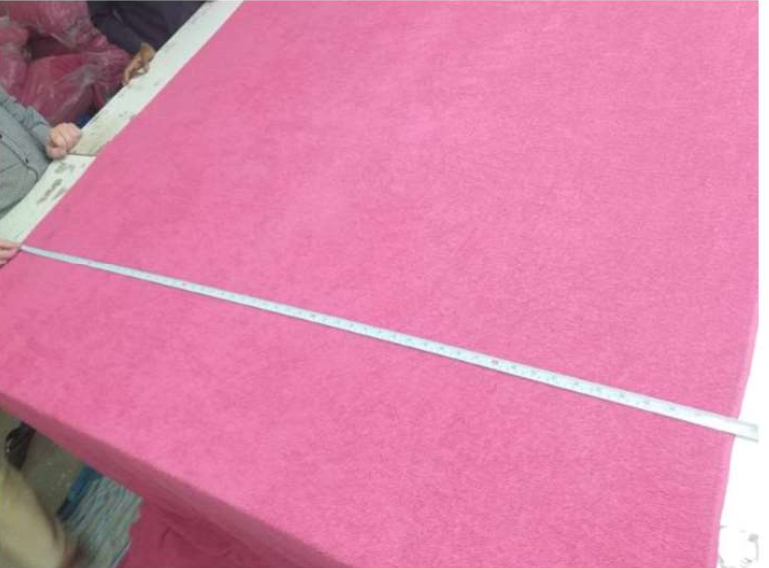
Fabric Inspection
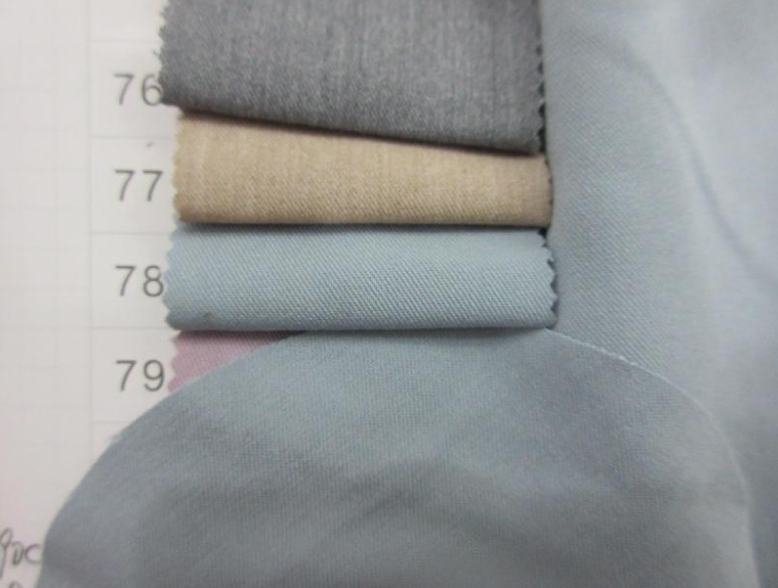
Fabric inspection services help verify textile materials before cutting, shipment, or garment assembly. Where applicable, Zurich can apply the 4-point system to assess visible fabric defects, while checking roll condition, shade consistency, roll identification, fabric width, GSM where applicable, and approved swatch or lab dip conformity.
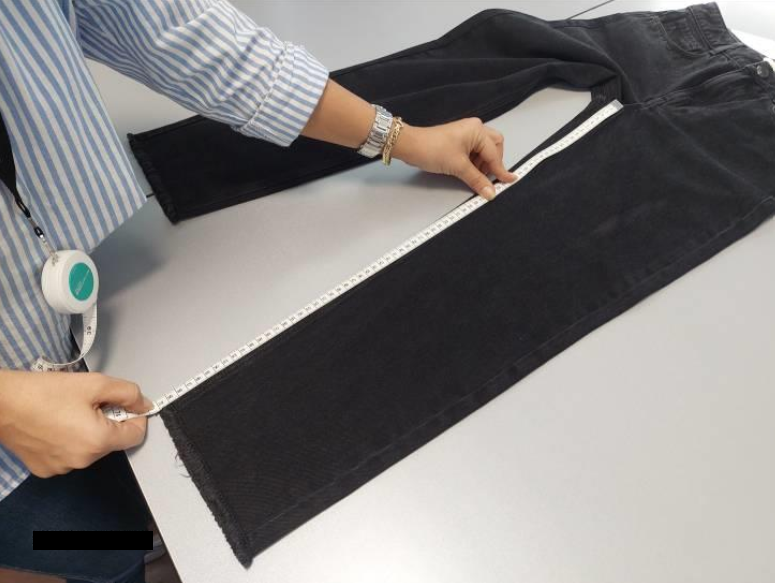
Pre-shipment inspection is performed once production is completed and goods are packed or ready for packing. Zurich verifies quantity, workmanship, measurements, labeling, packaging, assortment, carton markings, and shipment readiness using defined sampling and AQL criteria where applicable.
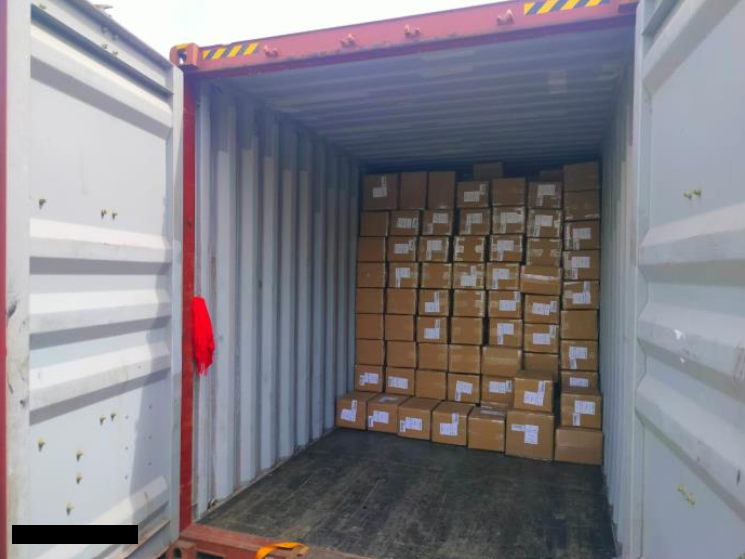
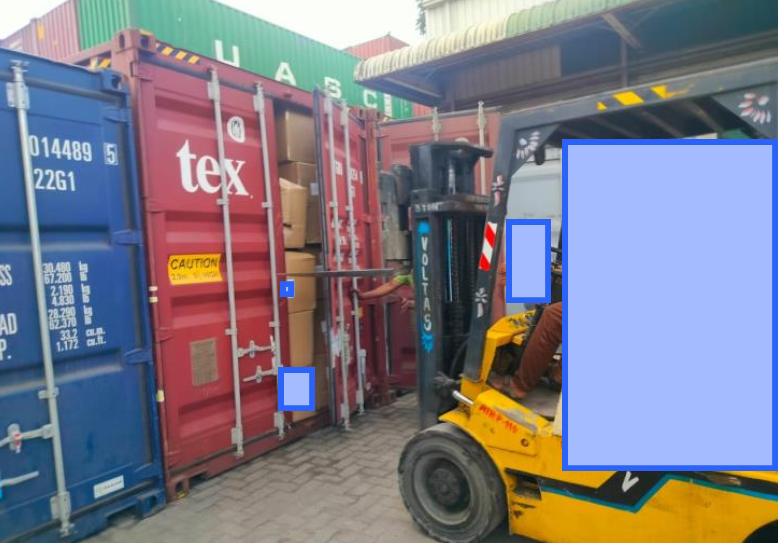
For finished textile and apparel shipments, Zurich can verify the loading process before dispatch. The inspection may cover container condition, carton quantity, carton condition, product references, shipping marks, loading sequence, seal number, and final loading evidence.
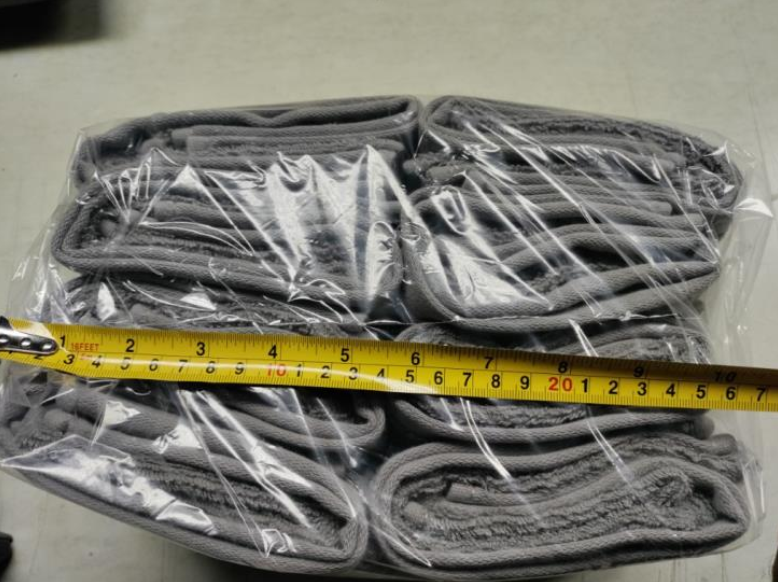
When defects, mixed goods, failed inspection results, or customer complaints affect a lot, Zurich can support product sorting based on defined acceptance criteria. Textile and apparel sorting may focus on stains, stitching defects, wrong sizes, wrong colors, label issues, packaging defects, measurement problems, or incorrect assortment.
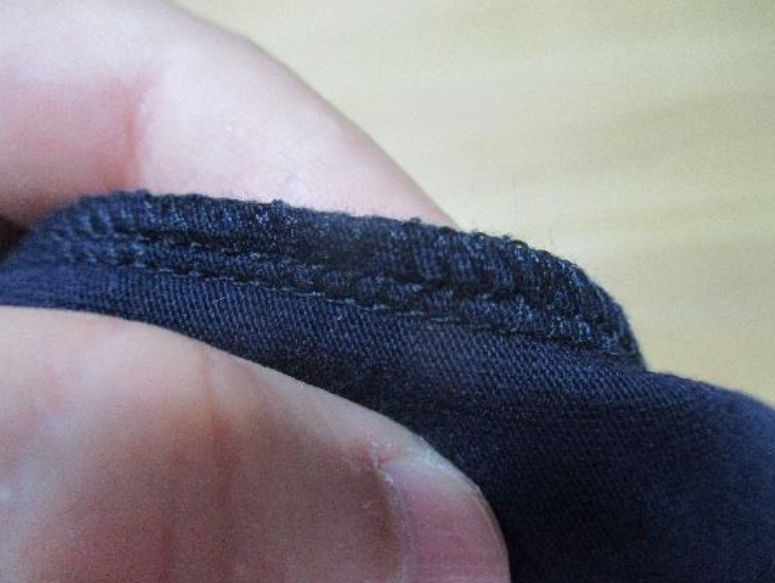
If non-conforming goods can be corrected, Zurich can support or verify rework activities before release. For textile and apparel products, this may include relabeling, retagging, repacking, thread trimming, cleaning, minor repair, packaging correction, or verification of supplier corrective action.

A supplier verification audit helps assess whether a textile or apparel supplier has the capability, equipment, workforce, internal quality controls, documentation, and production organization required for the order. Zurich can review cutting, sewing, finishing, packing, material control, subcontracting risk, and shipment preparation.
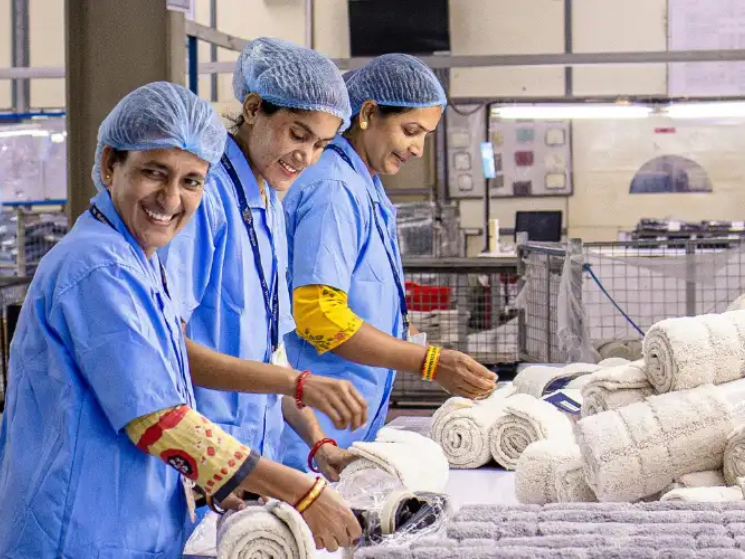
In apparel and textile supply chains, quality risk is often connected to supplier practices. Zurich can assess working conditions, health and safety, labor practices, working hours, wages, dormitories, emergency exits, subcontracting risk, and ethical sourcing expectations.

For longer-term supplier follow-up, production monitoring, or project-based quality control, Zurich can provide inspection staffing support. Depending on the location and scope, this may include textile inspectors, garment quality inspectors, resident inspectors, auditors, production monitors, or supplier quality profiles.
For most standard textile inspection scopes, reports are generally delivered within 24 hours after inspection completion, depending on complexity, location, and review requirements.
Our Textile and Garment Inspector Skills and Competencies
Zurich Inspection assigns textile and garment inspectors according to product type, production stage, supplier location, technical complexity, inspection scope, and language requirements.
Zurich assigns inspectors with relevant backgrounds in textile engineering, garment manufacturing, quality management, industrial production, materials, or related fields, depending on the assignment scope and location. They generally have 2 to 20+ years of field experience in textile inspection, garment quality control, supplier audits, AQL inspection, and shipment verification.
Inspector competencies may include:
- garment construction, sewing, cutting, finishing, packing, and loading
- woven, knitted, coated, blended, denim, fleece, jersey, and technical textile materials
- workmanship, measurements, size charts, tolerances, trims, labels, barcodes, packaging, and carton markings
- fabric appearance, shade variation, GSM where applicable, hand feel, and visible defects
- AQL sampling according to ISO 2859-1 / ANSI/ASQ Z1.4 where applicable, with critical, major, and minor defect classification
- photo-based reporting with measurements, defect evidence, and clear conclusions
Inspectors use appropriate tools such as measuring tapes, rulers, calipers, GSM tools where available, barcode scanners, approved samples, swatches, lab dips, color references, factory equipment, or client-specified tools.
Zurich Inspection assigns multilingual inspectors whenever possible, usually combining English with the local inspection language, such as Chinese, Portuguese, Turkish, Arabic, Spanish, Italian, or French.
Trust is built on verification.
What the Inspection Report Includes
Zurich textile and apparel inspection reports are structured to help clients act quickly. Depending on the assignment scope, the report may include:
- Inspection date, location, supplier, product, PO, style, SKU, color, size, and lot details
- Production status, packing status, available quantity, and inspected quantity
- Sample size, sampling method, AQL level, inspection level, and acceptance criteria
- Defect classification: critical, major, and minor
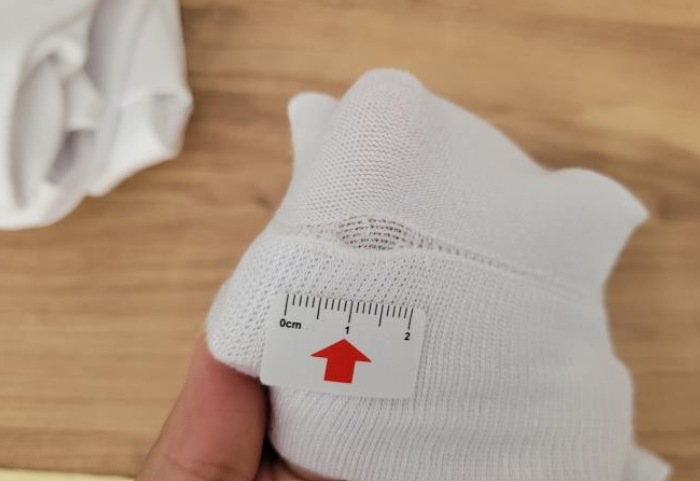
- Photos of products, labels, cartons, defects, measurements, and loading
- Workmanship findings and measurement tables by size, color, and point of measurement
- On-site test results, fabric, shade, trim, accessory, and label observations
- Packaging, labeling, carton, assortment, barcode, and shipping mark checks
- Nonconformity summary and overall conclusion based on defined criteria
- Limitations of scope, recommendations, and follow-up points where applicable
A useful garment inspection report should not only say “pass” or “fail.” It should show why the result was reached, where the evidence was found, how defects were classified, and what decision the client can reasonably make next.
For textile and apparel inspections, Zurich can share an anonymized sample report showing how garment findings, measurement tables, defect photos, label checks, carton checks, AQL results, and final conclusions are presented. The sample report helps clients understand the reporting structure before confirming an assignment.
Garment, Fabric, and Textile Products Zurich Can Inspect
Zurich Inspection supports textile, garment, and soft goods inspections across a wide range of products. Each inspection scope is adapted to the product type, manufacturing stage, buyer specifications, and final use.
Garments and Clothing
Zurich Inspection supports inspections for T-shirts, shirts, blouses, dresses, trousers, jeans, skirts, jackets, coats, knitwear, sweaters, hoodies, sportswear, activewear, underwear, lingerie, swimwear, sleepwear, uniforms, workwear, children’s clothing, babywear, promotional clothing, private-label collections, licensed apparel, and fashion collections.
Typical inspection points include:
- style, color, size, assortment, and SKU conformity
- garment construction and workmanship
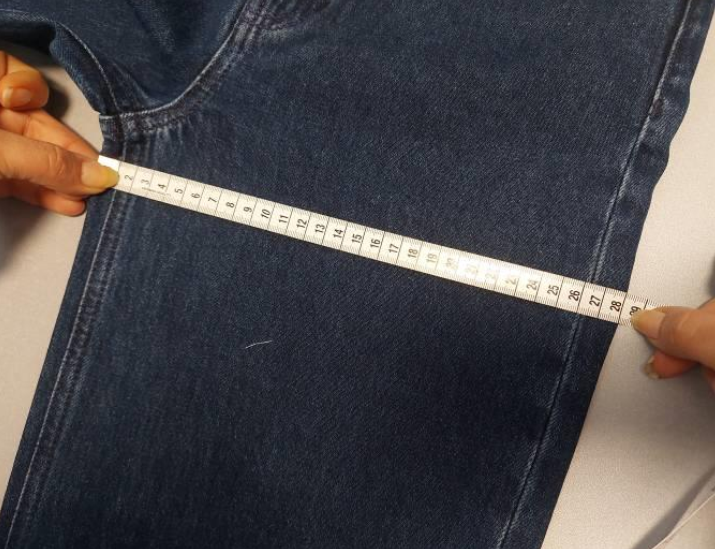
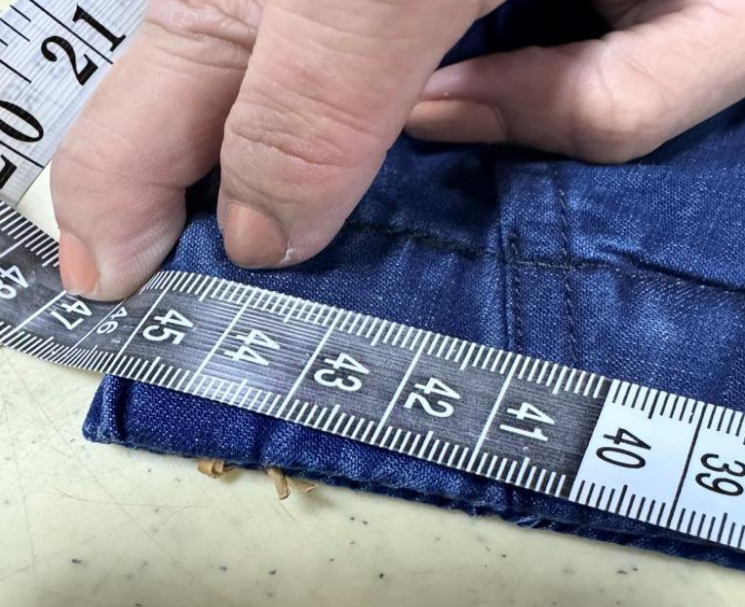
- measurements against size chart and tolerance table
- seams, stitches, bartacks, hems, collars, cuffs, waistbands,
- pockets, fasteners, and finishing
- print, embroidery, heat transfer, washing effect, and branding details
- care labels, fiber composition labels, size labels, brand labels, hangtags, and barcodes
- folding, polybagging, carton packing, and shipping marks
Fabrics and Textile Materials
Zurich Inspection can support inspections for woven fabrics, knitted fabrics, nonwoven materials, denim, fleece, jersey, cotton fabrics, polyester fabrics, viscose fabrics, blended fabrics, technical fabrics, coated fabrics, lining materials, elastic fabrics, interlinings, and fabric rolls where visual condition, shade, GSM, width, or basic conformity must be verified.
Typical inspection points include:
- roll condition, roll identification, and packing condition
- fabric shade and shade-lot consistency
- visible weaving, knitting, dyeing, coating, printing, or finishing defects
- fabric width, length, GSM, or basic physical checks where included in the scope
- comparison with approved swatch, lab dip, strike-off, or reference sample
- fabric cleanliness, stains, holes, slubs, creases, oil marks, or contamination
- documentation, batch traceability, and supplier declarations where available
Home Textiles and Soft Goods
Zurich Inspection can support inspections for bedding, sheets, pillowcases, duvet covers, towels, bathrobes, curtains, cushions, table linens, blankets, throws, upholstery textiles, mattress covers, bath textiles, kitchen textiles, hospitality textiles, and other sewn textile products.
Typical inspection points include:
- size and dimensional conformity
- fabric appearance, shade, print, embroidery, and finishing
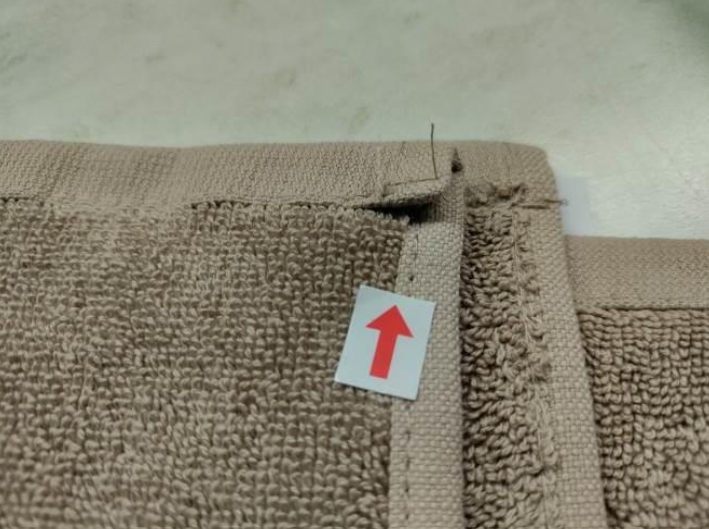
- seams, hems, quilting, filling distribution, stitching density, and edge finishing
- labels, wash care instructions, packaging, folding, carton markings, and assortment
- hand feel, visible contamination, stains, odor, and packing condition
Textile Inspection Checks, AQL Sampling, and Defect Evidence
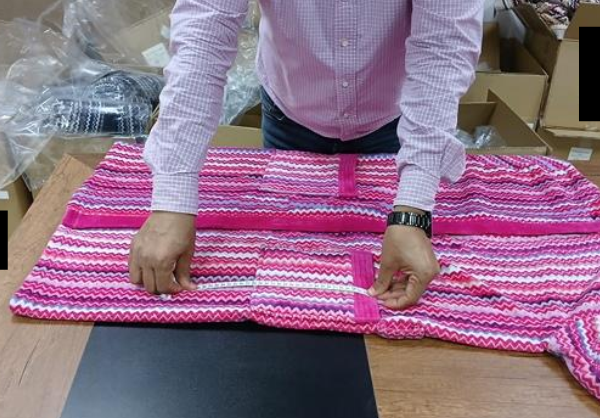
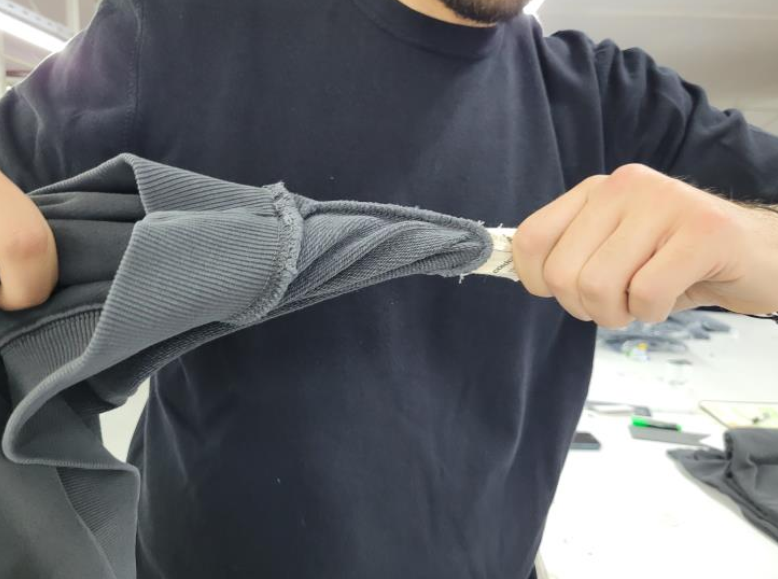
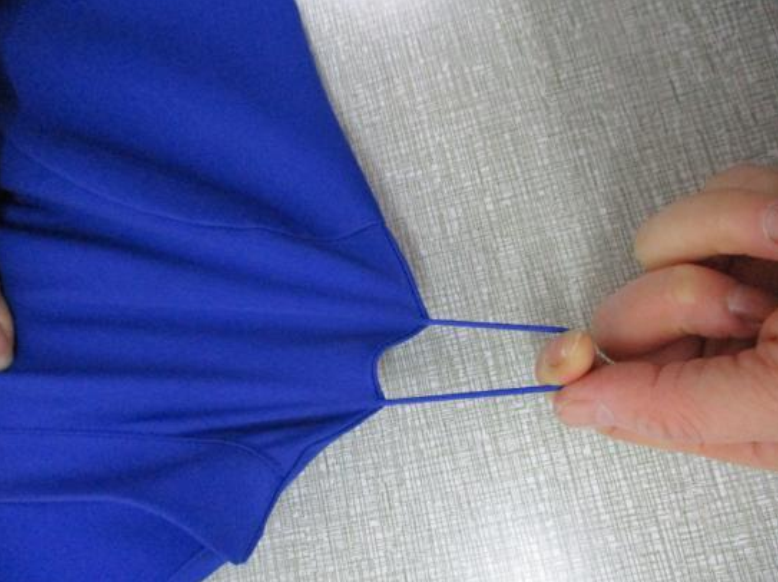
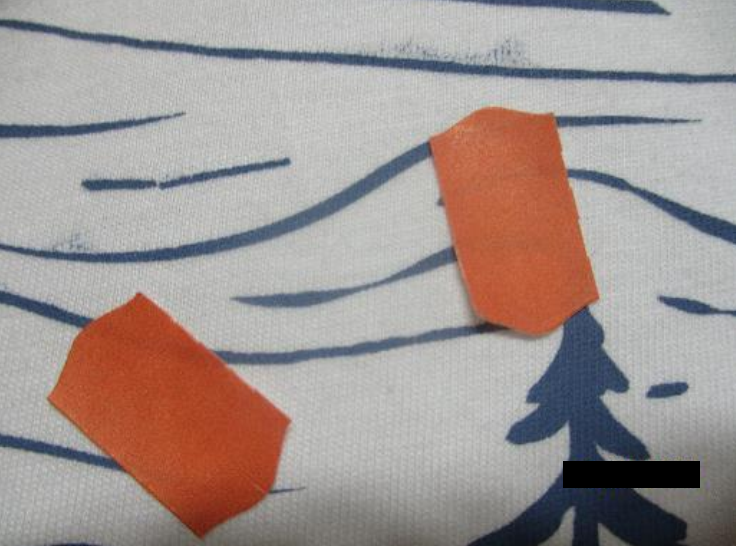
Textile and apparel inspections may include selected on-site checks such as zipper function, button and snap function, seam-stress observation, print or heat-transfer adhesion checks, label verification, barcode checks, and packaging review where agreed.
Zurich Inspection can also work against defined sampling plans and buyer defect criteria, with findings documented through photos, measurements, counts, and defect classification. Laboratory testing and destination-market compliance review should be scoped separately when required.
For buyers that need a more detailed explanation of garment inspection checklists, AQL, defect classification, and common textile defects, Zurich Inspection provides a separate resource guide.
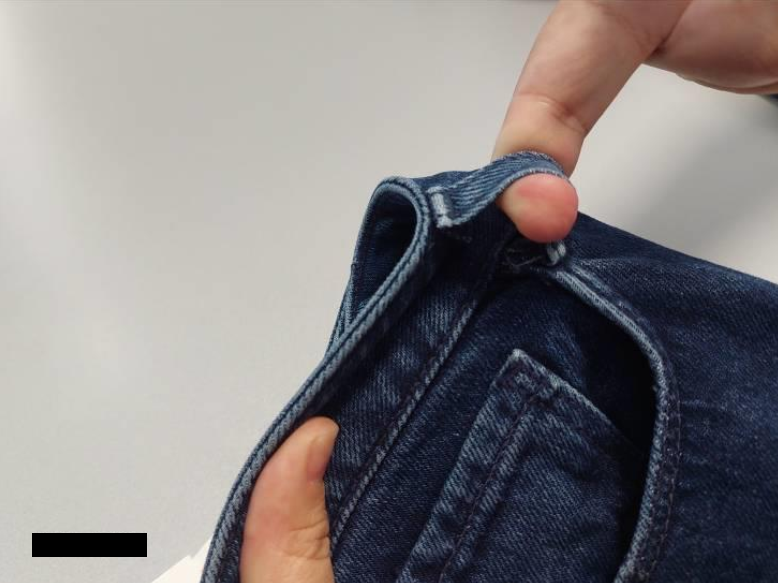
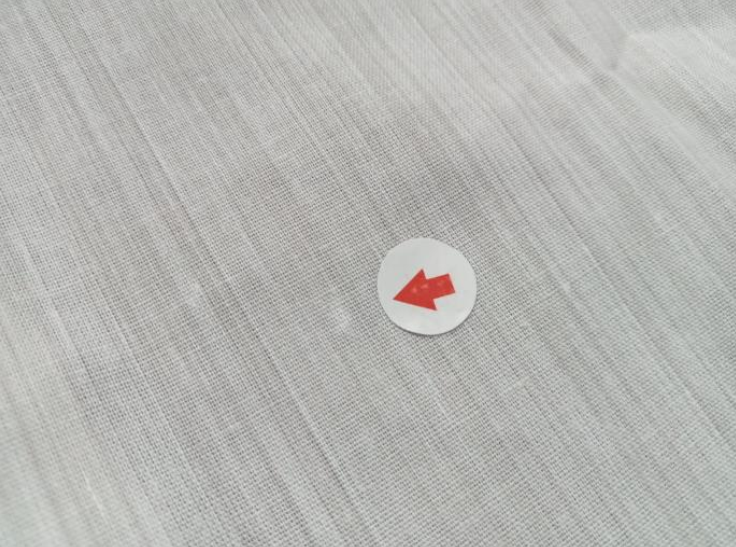
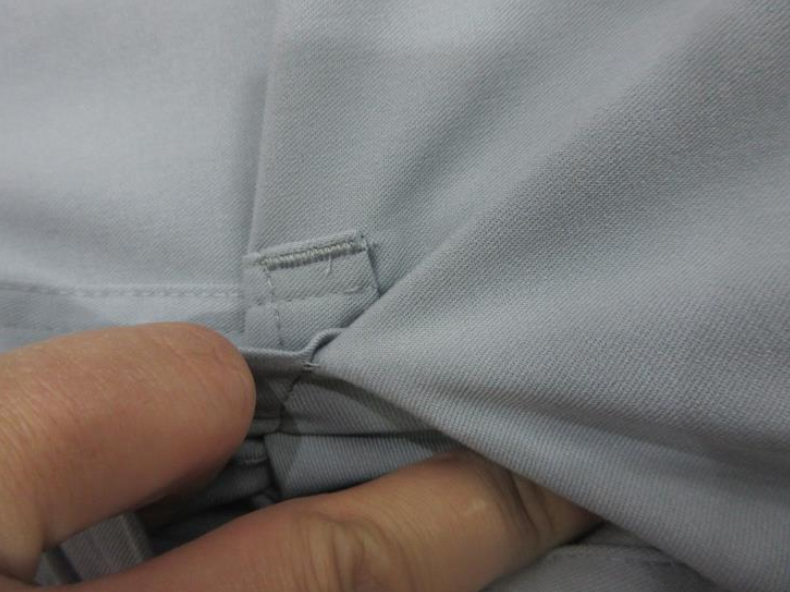
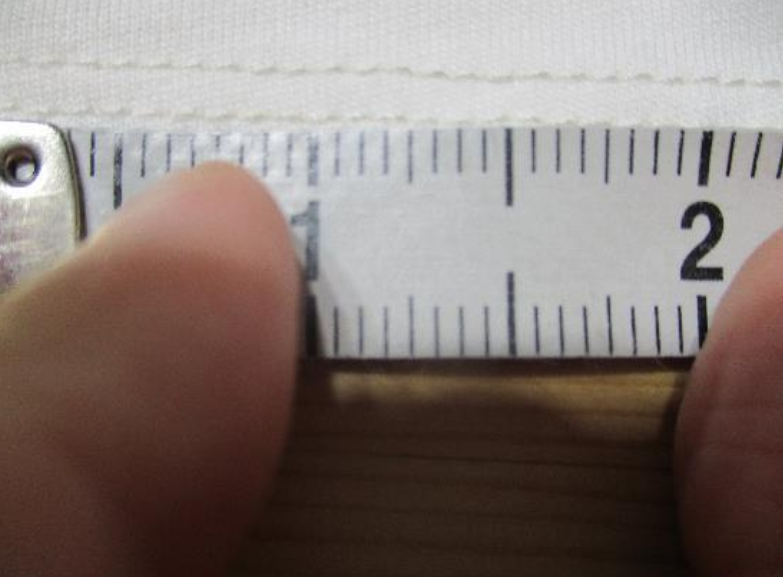
Photos from Textile, Garment, and Fabric Inspections
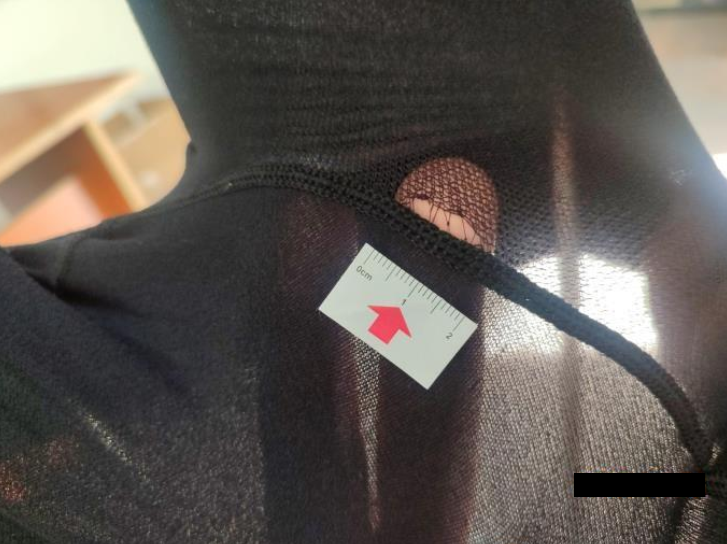
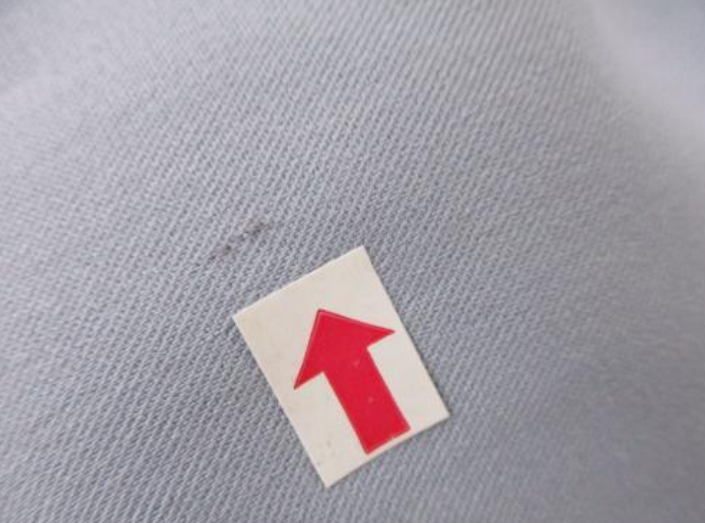
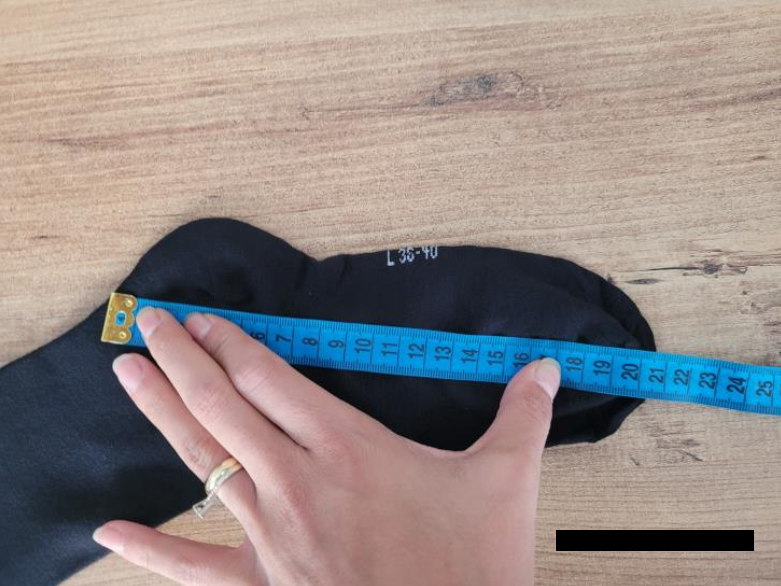
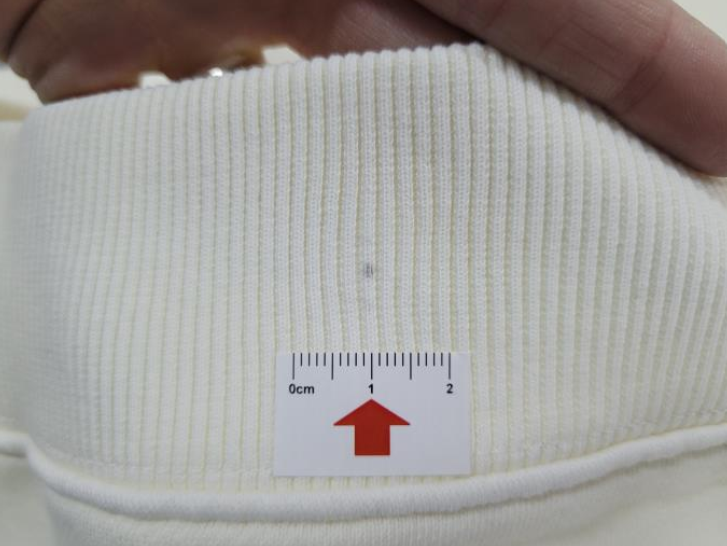
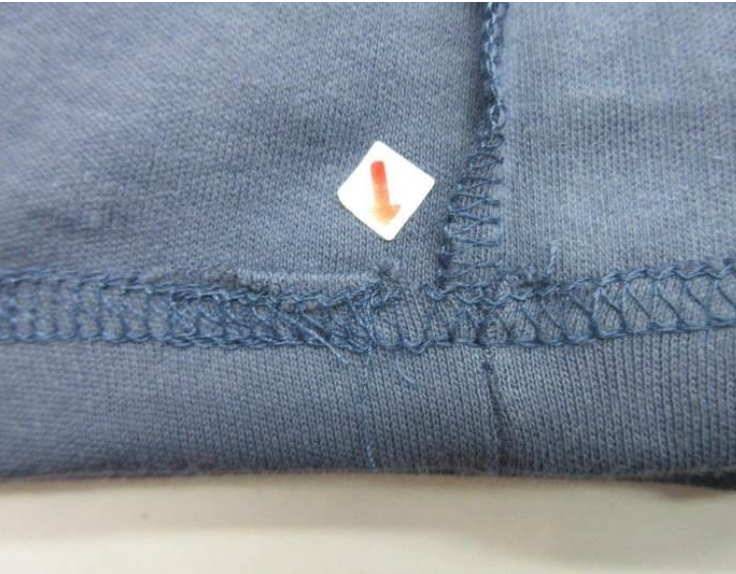
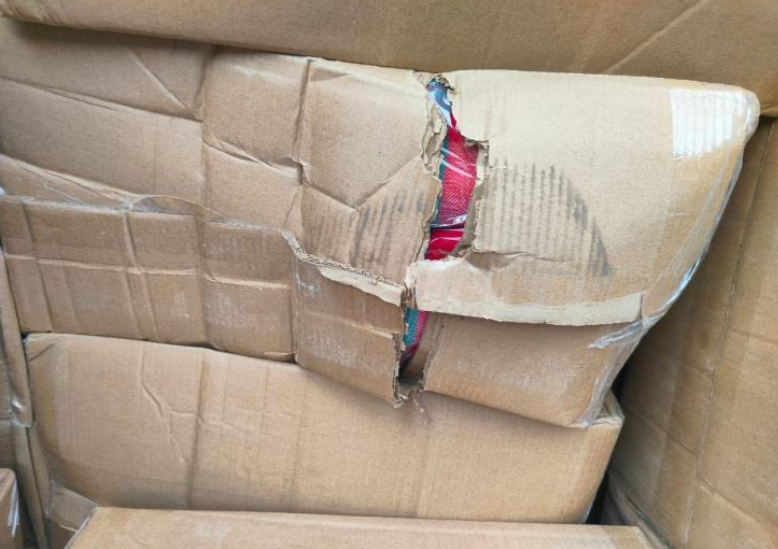
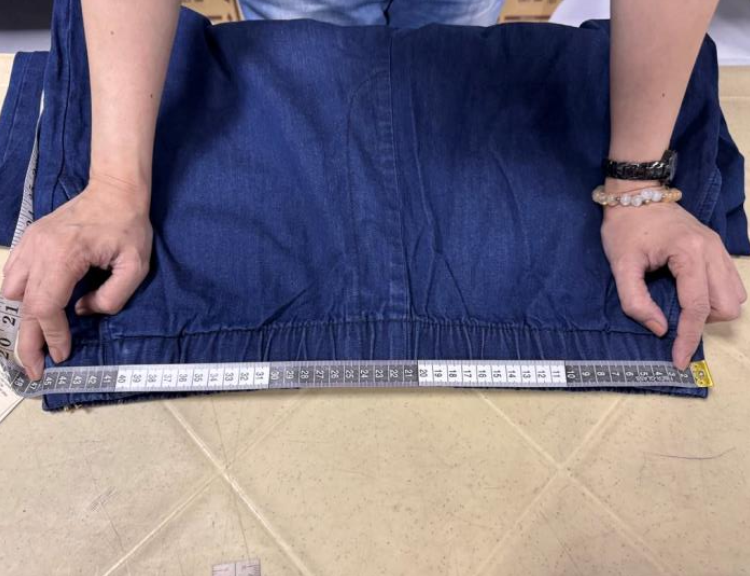
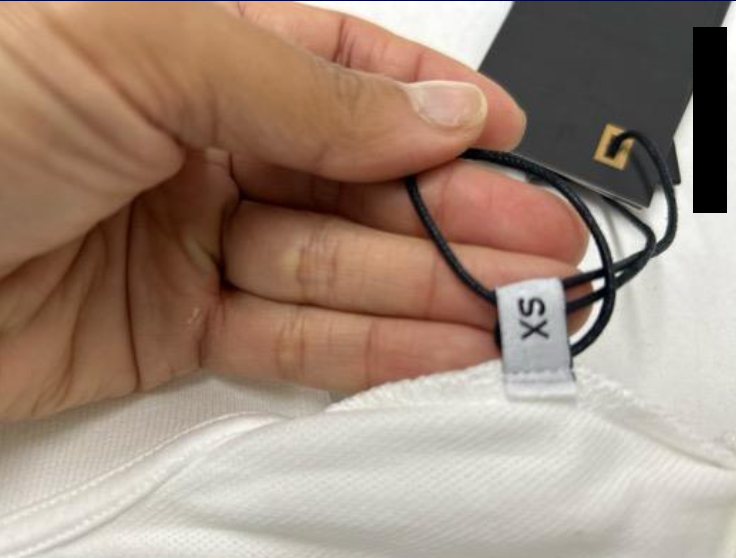
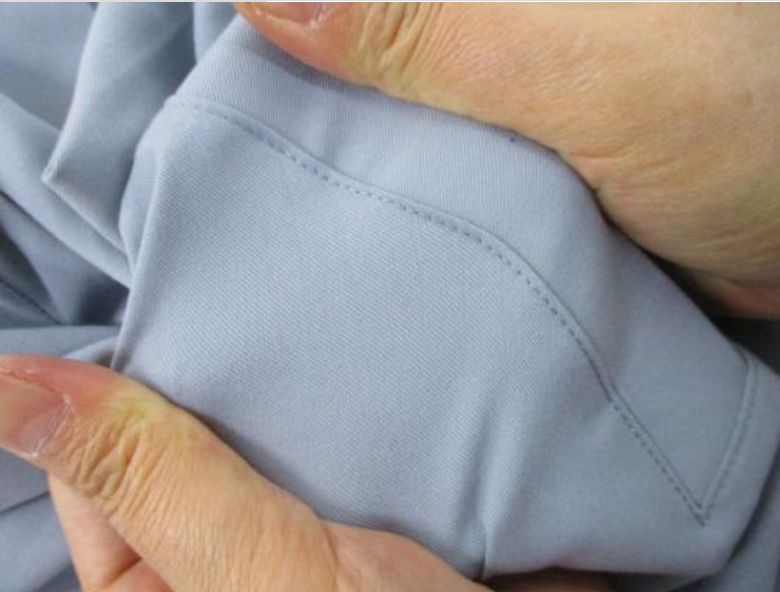
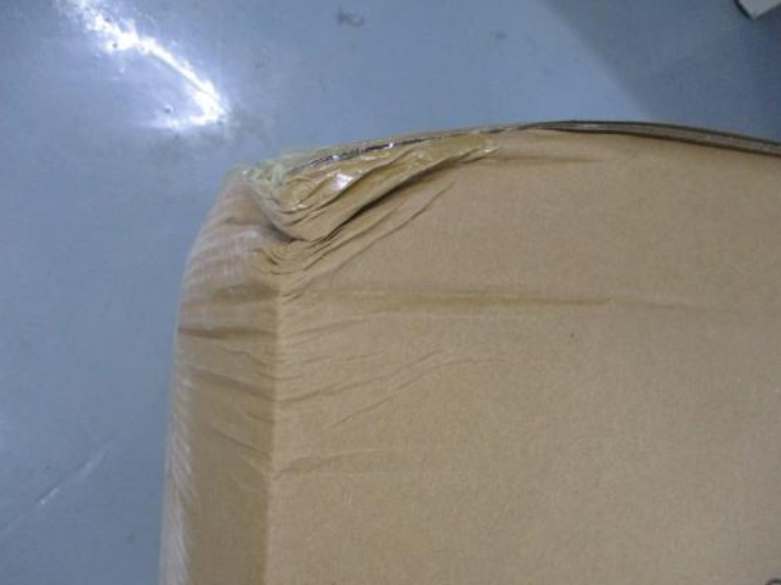
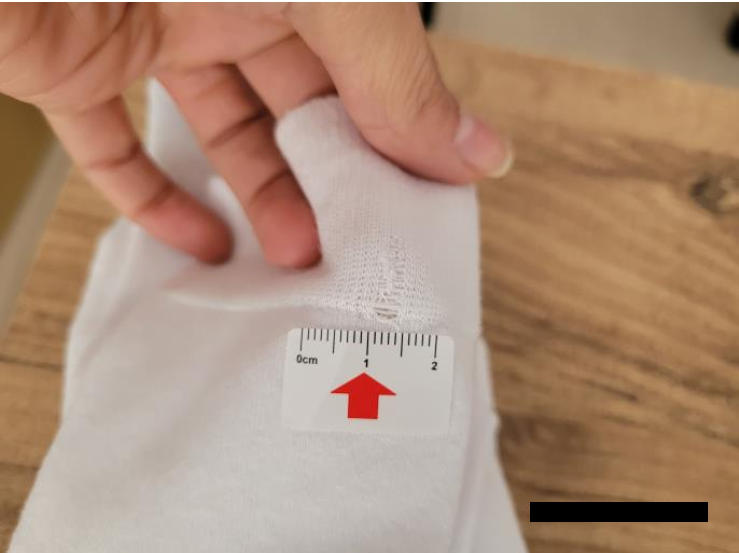
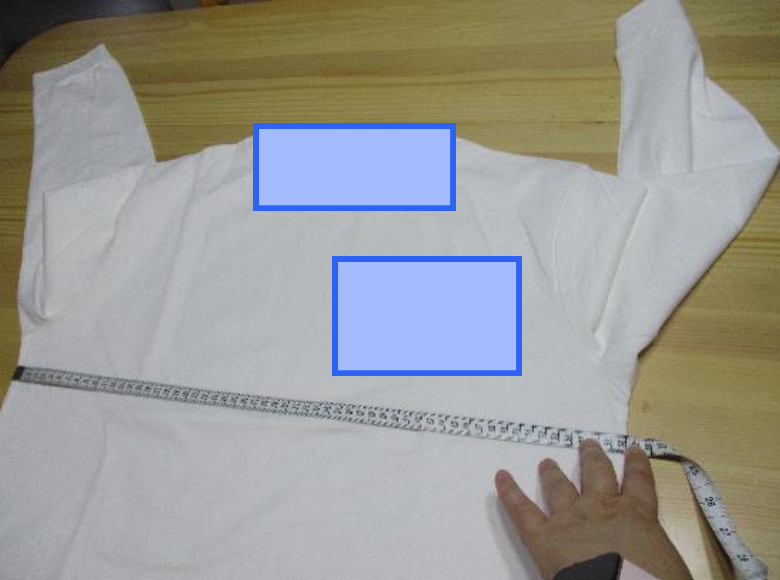
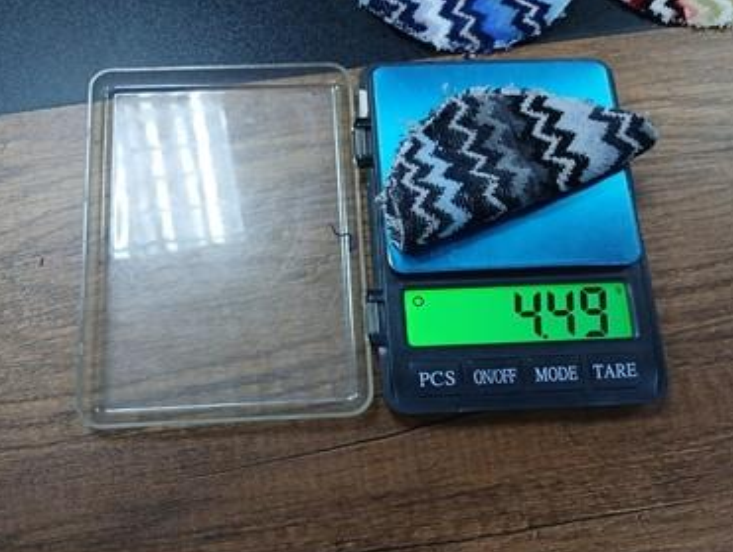
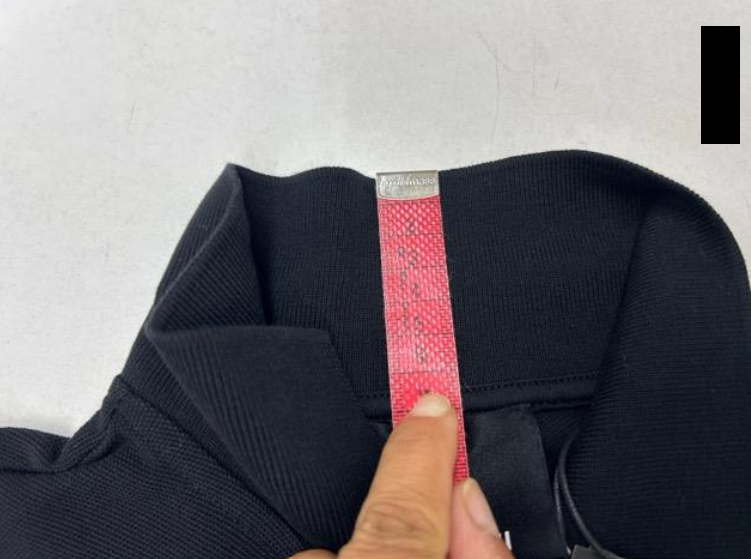
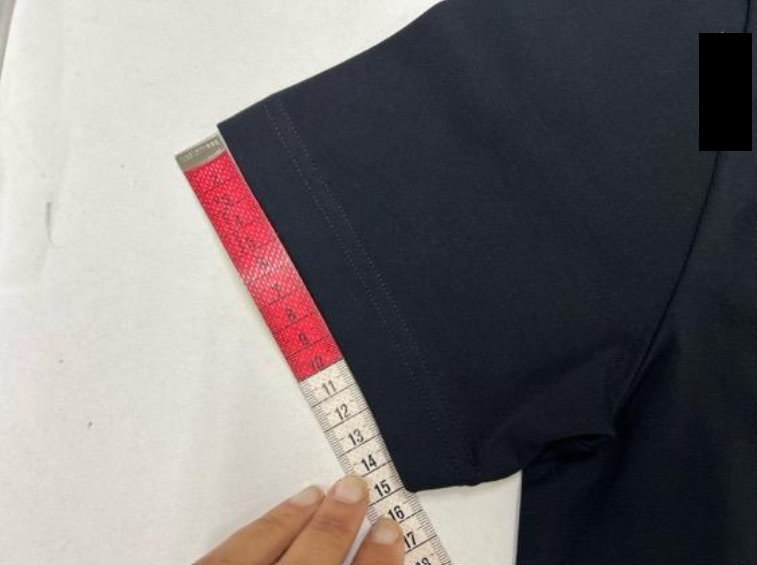
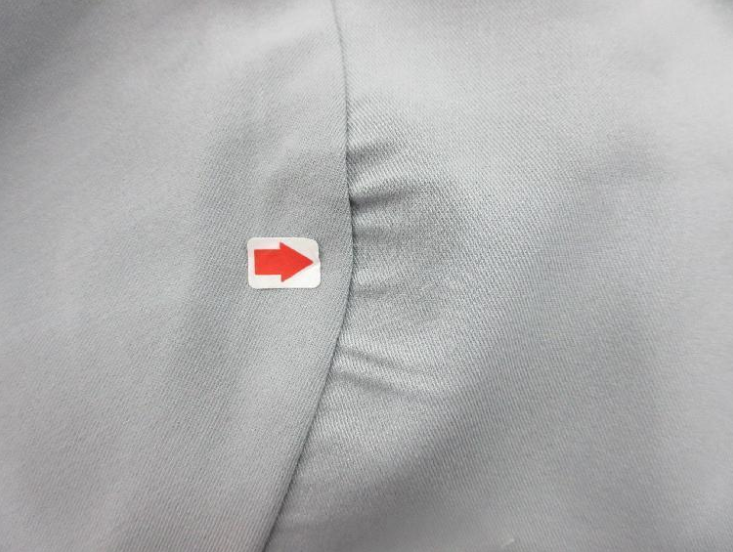
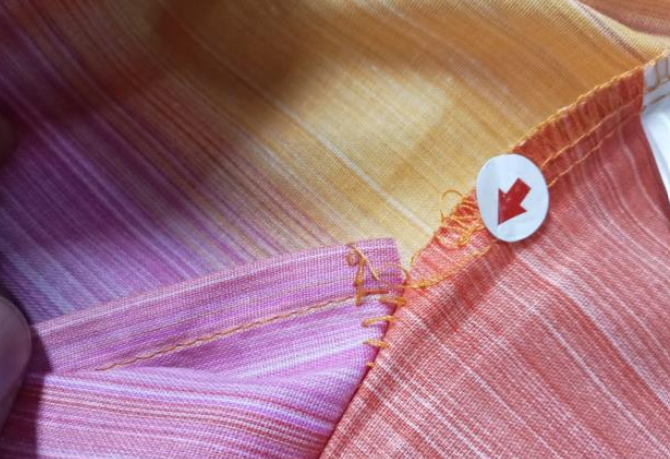
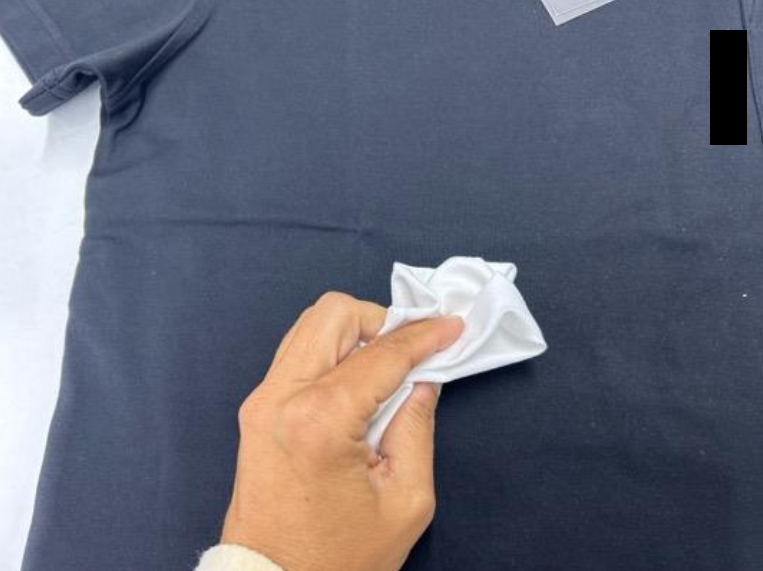
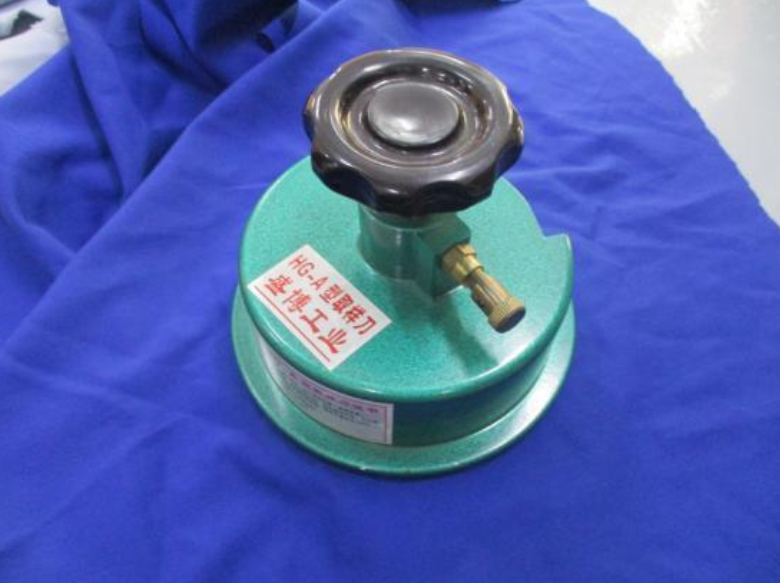
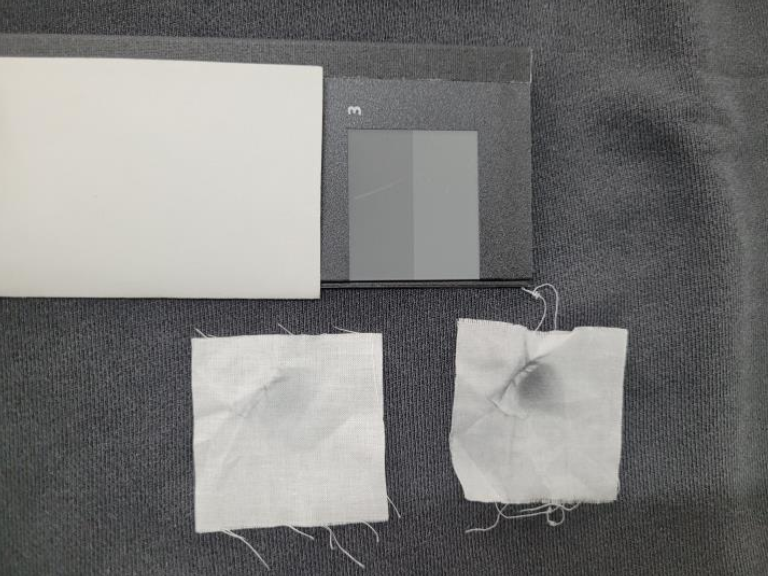
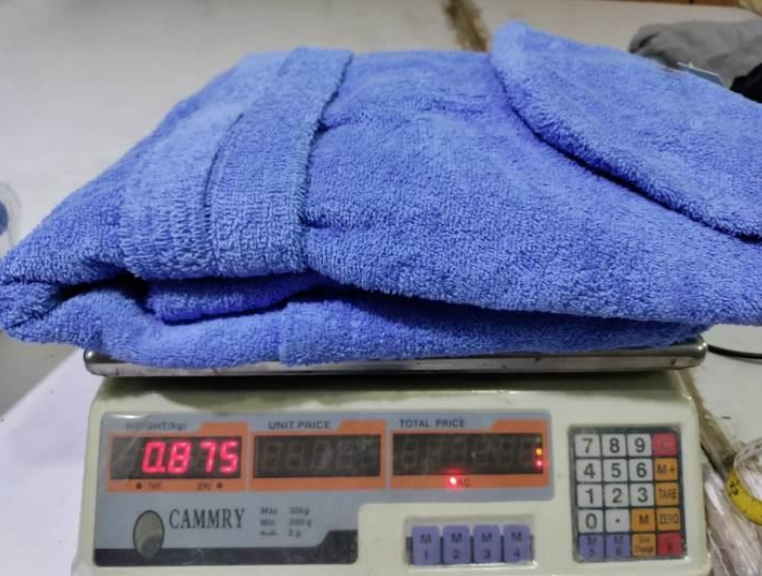
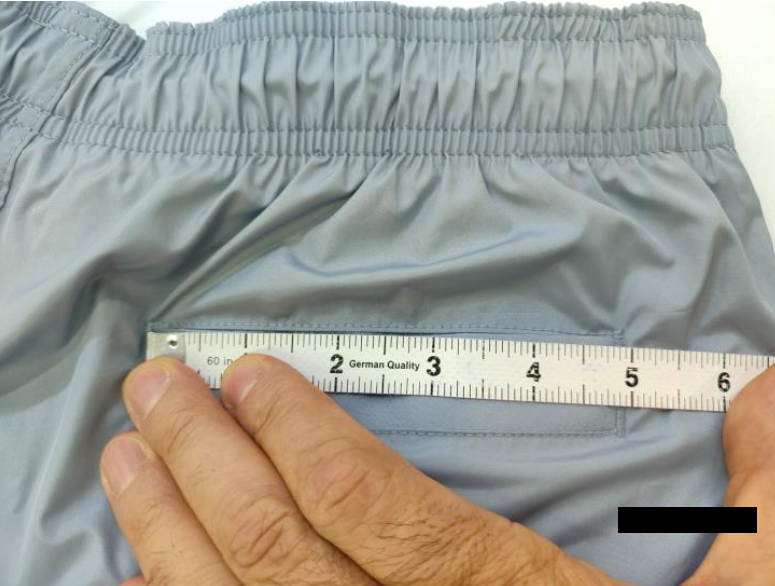
Photos from real textile, garment, apparel, and fabric inspections carried out by Zurich Inspection. These field images show how our inspectors document workmanship, measurements, labels, packaging, defects, production status, and shipment readiness during on-site quality control assignments.
Where Zurich Supports Textile and Garment Inspections
Zurich Inspection provides textile and apparel inspection support across major sourcing and production regions, including factory, warehouse, packing-area, distribution-center, and loading-site inspections depending on the service scope. This matters for buyers managing multi-country sourcing, supplier diversification, or shipment risk across different textile production hubs.
Zurich Inspection operates across 50+ countries, with coverage confirmed according to the exact city, factory location, inspection scope, inspector profile required, and scheduling requirements.

Asia
China, Korea, Japan, Taiwan, the Philippines, Malaysia, Indonesia, India, Pakistan, Sri Lanka, Singapore, Mongolia, Bangladesh, Thailand, Vietnam, Cambodia, Nepal, Laos
Middle East
Turkey, UAE, Saudi Arabia, Oman, Qatar, Jordan
Africa
Egypt, Morocco, Algeria, Senegal, Kenya, Nigeria, South Africa, Rwanda
Europe
Italy, France, Spain, Switzerland, Belgium, Portugal, Germany, Slovenia, Slovakia, Poland, Netherlands, Denmark, Finland, Norway, Sweden, Romania, Bulgaria, Greece
Americas
Argentina, Brazil, Dominican Republic
How to Choose the Right Textile Inspection Service
| Situation | Recommended service | Why it matters |
|---|---|---|
| New apparel supplier | Supplier Verification Audit | Confirms supplier legitimacy, capability, and visible quality controls. |
| Production not started | Pre-Production Inspection | Checks materials, trims, samples, and readiness before mass production. |
| Production ongoing | During Production Inspection | Detects defects while corrective action is still possible. |
| Goods completed or packed | Pre-Shipment Inspection | Supports final release, hold, or reinspection decision. |
| Defects already found | Product Sorting / Product Rework | Separates or corrects non-conforming goods before release. |
| Goods ready to dispatch | Container Loading Inspection | Confirms loading, carton count, container condition, and shipment evidence. |
Textile and Apparel Inspection FAQs
What are textile and apparel inspection services?
Textile and apparel inspection services are independent on-site checks used to verify whether garments, fabrics, home textiles, uniforms, and soft goods conform to buyer specifications, approved samples, size charts, labeling requirements, packaging instructions, and shipment criteria.
Why use a third-party textile and apparel inspection company?
A third-party textile and apparel inspection company provides independent on-site verification before shipment or during production. This helps brands, retailers, and importers confirm workmanship, measurements, labels, packaging, AQL defects, and supplier corrective action using evidence rather than supplier statements alone.
What is the difference between textile inspection and garment inspection?
Textile inspection may cover fabrics, textile materials, home textiles, soft goods, and finished apparel. Garment inspection focuses more specifically on finished clothing items such as shirts, trousers, dresses, jackets, uniforms, sportswear, underwear, and children’s clothing.
When should a garment inspection be performed?
Garment inspection can be performed before production, during production, before shipment, during loading, or after rework. The best timing depends on the risk level, production stage, supplier history, and decision needed by the buyer.
What does a garment quality inspection include?
A garment quality inspection may include workmanship checks, measurements, labeling review, packaging verification, assortment checks, quantity verification, fabric appearance review, trims and accessories checks, on-site tests, AQL sampling, defect classification, and photographic reporting.
Which AQL levels are commonly used for garment inspections?
Textile and apparel inspections can be performed using defined sampling plans, commonly based on ISO 2859-1 / ANSI/ASQ Z1.4 where agreed. Common commercial settings may include zero tolerance for critical defects, AQL 2.5 for major defects, and AQL 4.0 for minor defects, but the final defect limits must be defined by the client before inspection.
Can Zurich Inspection inspect garments during production?
Yes. A during production inspection can be used to check semi-finished and finished garments while production is still ongoing. This helps detect workmanship, measurement, shade, labeling, or packaging issues before the full order is completed.
Can Zurich Inspection inspect fabric before garment production?
Yes. Fabric or material checks can be included in a pre-production inspection or a textile inspection scope. Depending on the available equipment and requirements, this may include visual condition, shade, roll condition, width, GSM where applicable, and comparison with approved references. Laboratory tests should be scoped separately when required.
Can Zurich Inspection verify garment measurements?
Yes. Zurich inspectors can check garment measurements against the client’s size chart, tolerance table, and point-of-measure instructions. Measurement results can be recorded in the inspection report with photos where useful.
Can Zurich Inspection check care labels and barcodes?
Yes. Zurich can verify care labels, size labels, origin labels, brand labels, hangtags, SKU labels, barcodes, carton labels, and shipping marks against the client’s provided requirements. Legal validation of labeling compliance should be scoped separately when required.
Can Zurich Inspection check for needle contamination?
Zurich can include needle control verification in the inspection scope, such as checking supplier needle-control procedures, reviewing needle detector records, or verifying needle detection where equipment and access are available. Critical contamination risks should be clearly defined before inspection.
Can Zurich Inspection perform laboratory textile testing?
Zurich Inspection can verify many textile and apparel characteristics on site, but laboratory tests such as fiber composition, restricted substances, colorfastness, dimensional stability, pilling, tear strength, tensile strength, seam slippage, and flammability must be scoped separately when required.
Can Zurich Inspection support garment sorting or rework?
Yes. If defects are found, Zurich Inspection can support product sorting, rework verification, relabeling checks, repacking verification, and follow-up inspections according to defined criteria.
Does Zurich Inspection inspect textile and apparel suppliers globally?
Zurich Inspection provides on-site inspection, audit, and technical verification services across 50+ countries. Textile and apparel coverage depends on the exact supplier location, product type, inspection scope, and requested timing.
How fast are textile and apparel inspection reports delivered?
Reports are generally delivered within 24 hours after inspection completion for most standard inspection scopes, depending on complexity, location, and report review requirements.
What happens if the textile or garment inspection fails?
If the inspection result does not meet the agreed acceptance criteria, the client may decide to hold shipment, request corrective action, perform rework, conduct product sorting, negotiate with the supplier, or schedule a reinspection. Zurich reports the findings and evidence so the client can make the decision based on verified facts.
Request Textile and Apparel Inspection Support
Share your product details, supplier location, production stage, target inspection date, and available specifications. Zurich Inspection will review the scope and confirm the appropriate inspection, audit, sorting, rework, or loading verification approach.