
Garment Inspection Checklist: AQL, Defect Classification, and On-Site Checks
Garment inspection is used to verify whether clothing, sewn products, and related textile goods conform to agreed requirements before production, during production, before shipment, or during loading.
A garment inspection checklist is not limited to visible defects. Depending on the product and scope, it may cover workmanship, measurements, labels, trims, packaging, assortment, barcode checks, fabric appearance, on-site function checks, and agreed sampling criteria. When required, findings may also be classified according to critical, major, and minor defect categories.
This guide explains what is typically checked during a garment inspection, how AQL is commonly applied, how defects may be classified, and which checks can reasonably be performed on site versus in a laboratory.
What a Garment Inspection Checklist Usually Covers
A garment inspection checklist usually covers the points that matter most to the buyer before shipment approval, production release, or corrective action.
Typical checklist sections may include:
- purchase order, SKU, style, color, and size verification
- product conformity against approved sample, tech pack, or size chart
- workmanship and finishing review
- measurement verification against tolerance table
- trims and accessories
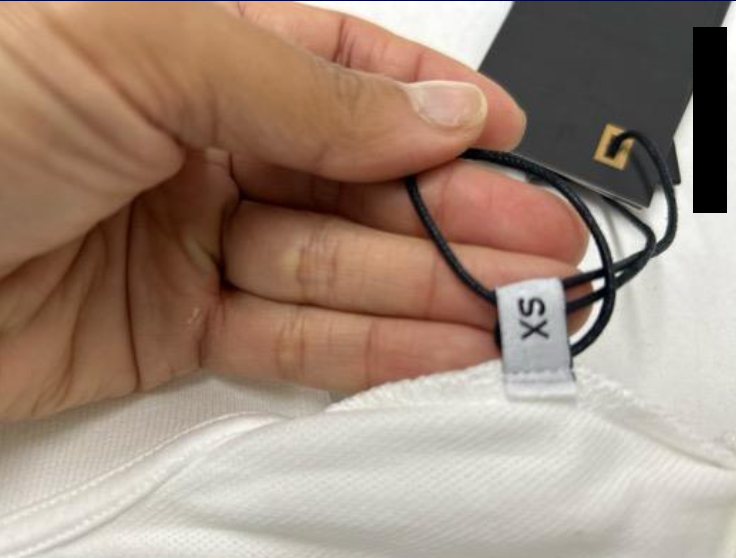
- care labels, size labels, composition labels, brand labels, hangtags, and barcode checks
- packaging, folding, assortment, carton markings, and shipping marks
- defect classification and AQL-related sampling results where agreed
The final checklist should always reflect the product type, buyer requirements, production stage, and decision needed after inspection.
Typical On-Site Checks During Garment Inspection
Depending on the scope, on-site garment inspection may include:
- workmanship review
- garment measurements
- style, size, color, and assortment verification
- label comparison against requirements
- packaging and carton review
- zipper function
- button, snap, hook, and drawcord checks
- seam-stress observation
- print, transfer, or embroidery review
- barcode scan checks where equipment is available
- basic stretch or recovery observation where relevant
- needle-detection record review where applicable
Some checks are simple field verifications. Others require defined conditions, time, tools, or client instructions to produce consistent results.
What Garment Inspectors Usually Verify
Inspection scope is defined according to the product, production stage, sampling plan, buyer specifications, and decision required after inspection. In textile and apparel orders, Zurich inspectors commonly verify product conformity, workmanship, measurements, fabric condition, trims and accessories, labels, packaging, and agreed on-site checks.
Product conformity
Zurich Inspection verifies style, SKU, PO reference, color, size range, assortment, product description, approved sample comparison, buyer specifications, bill of materials, tech pack, construction details, fabric type, trims, accessories, finishing requirements, label requirements, and packaging instructions.
Inspector method:
- compare physical goods against purchase order, tech pack, approved sample, and checklist
- verify style, color, size, SKU, product description, and quantity
- identify mismatches between client documents and supplier output
- document deviations with photos and clear descriptions
This helps identify wrong styles, mixed sizes, incorrect colors, missing accessories, incorrect assortment, or production that does not match the buyer’s reference.
Workmanship
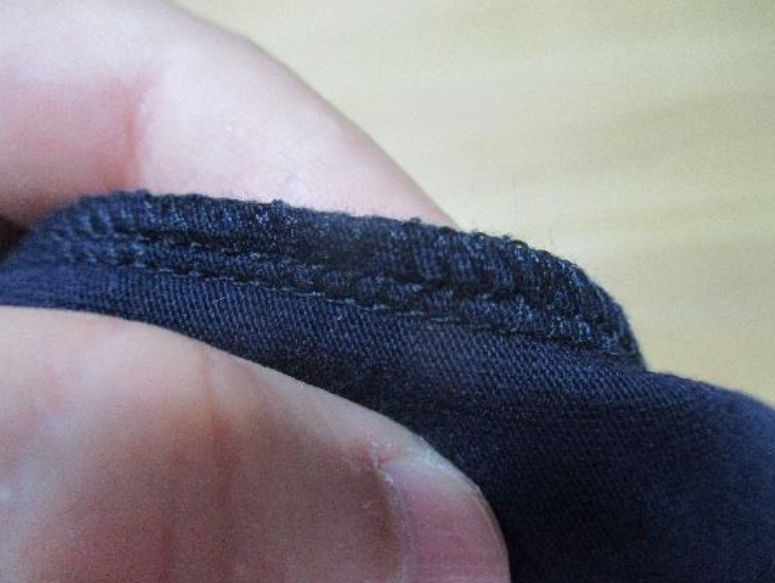
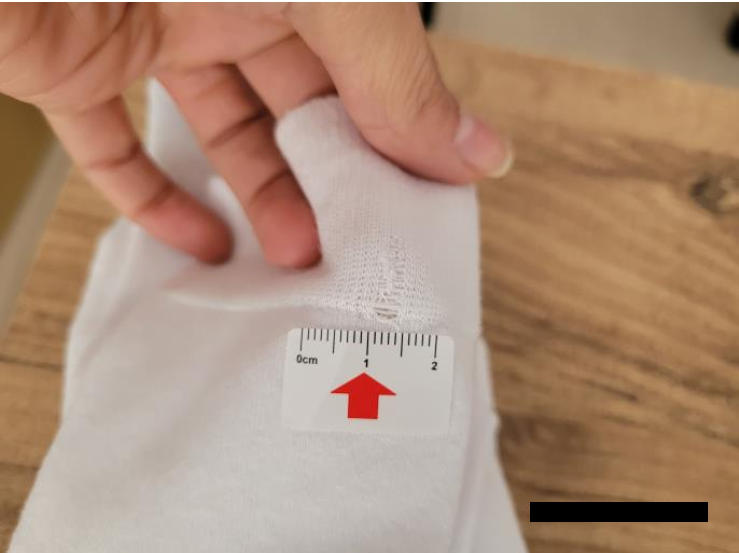
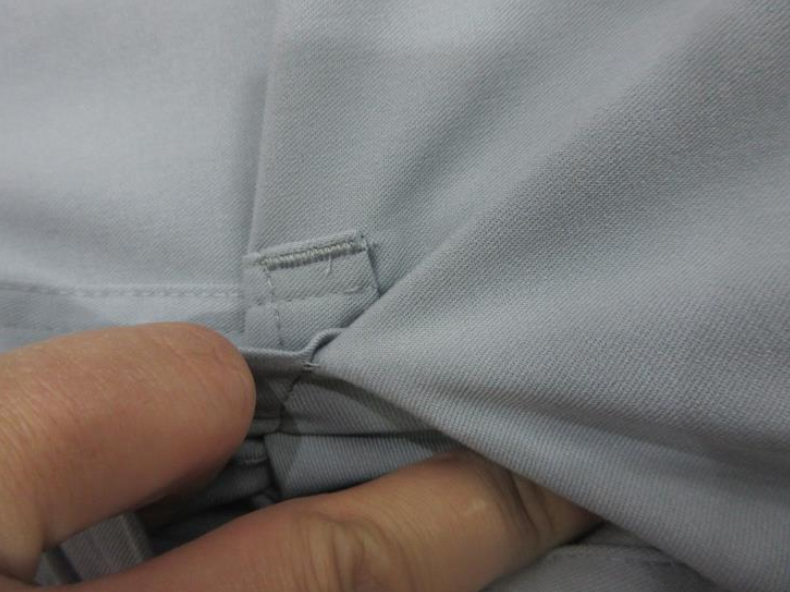
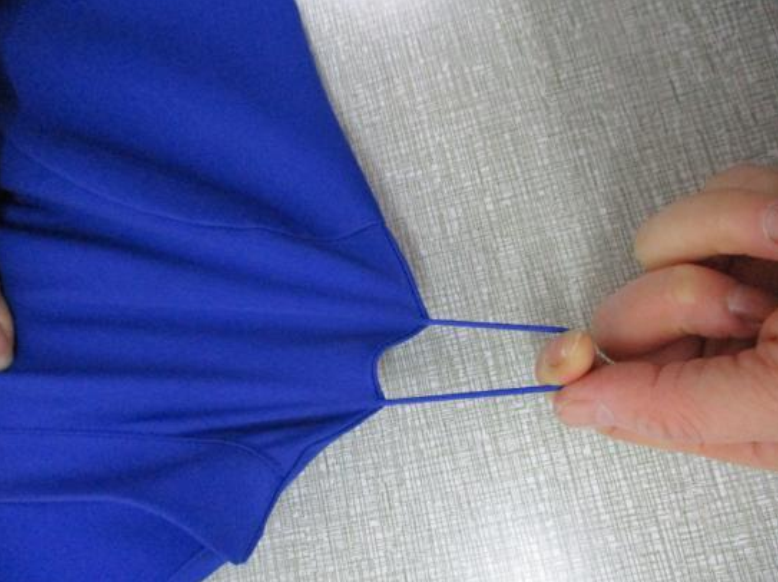
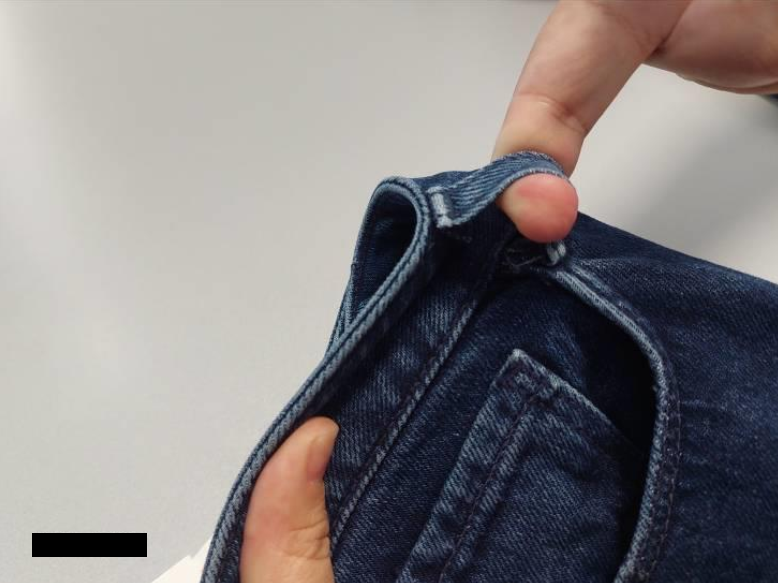
Workmanship defects are among the most common issues in textile and apparel inspections. Zurich inspectors check for open seams, broken stitches, skipped stitches, loose threads, untrimmed threads, seam slippage, puckering, twisted seams, uneven hems, poor bartacks, needle damage, fabric holes, stains, oil marks, shade variation, printing defects, embroidery defects, loose buttons, zipper defects, snapped elastic, poor pressing, and poor finishing.
Inspector method:
- visual inspection under adequate lighting
- systematic check of front, back, inside, seams, hems, labels, trims, and accessories
- critical area focus: crotch seams, armholes, collars, cuffs, waistbands, pockets, zippers, buttonholes, bartacks, and stress points
- defect classification as critical, major, or minor according to agreed criteria
The goal is to identify defects that may affect appearance, function, customer acceptance, brand image, or saleability.
Measurements and size conformity
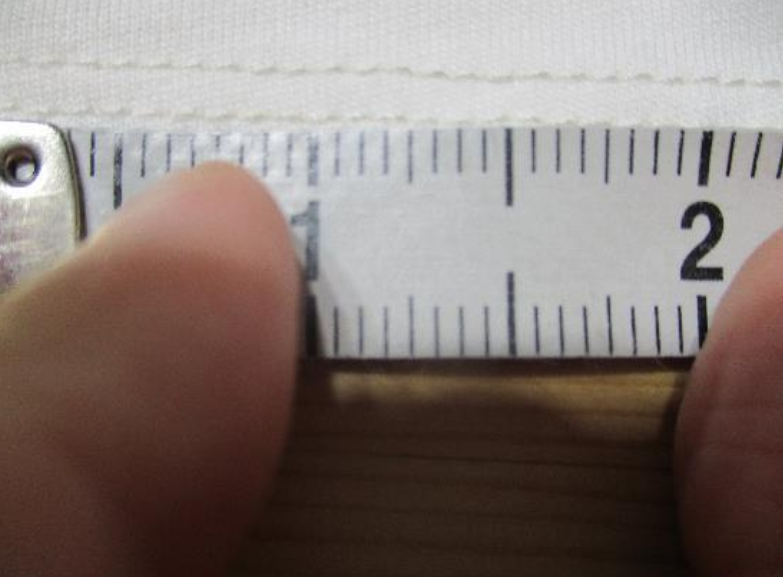
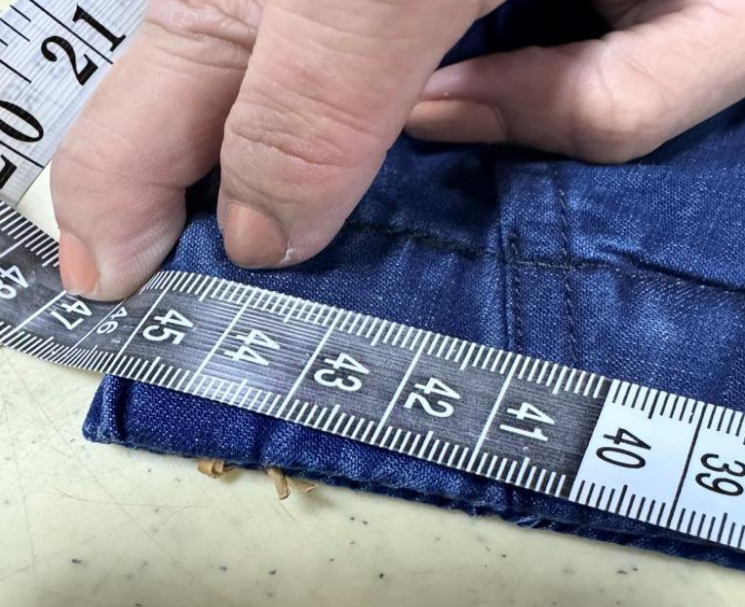
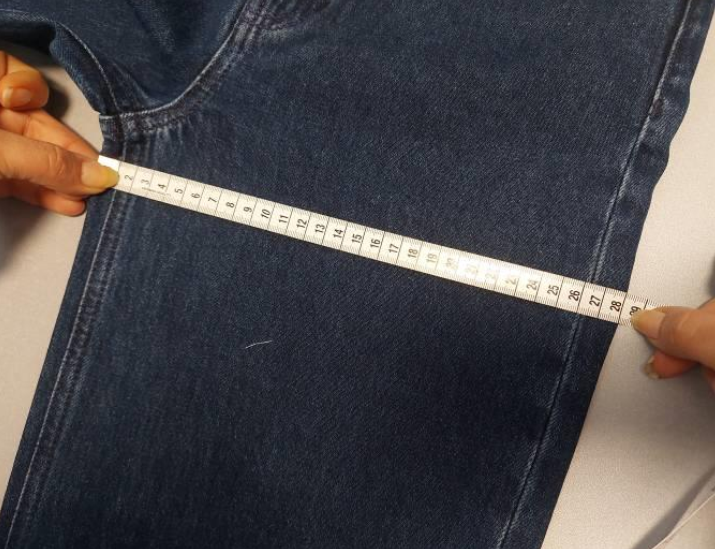
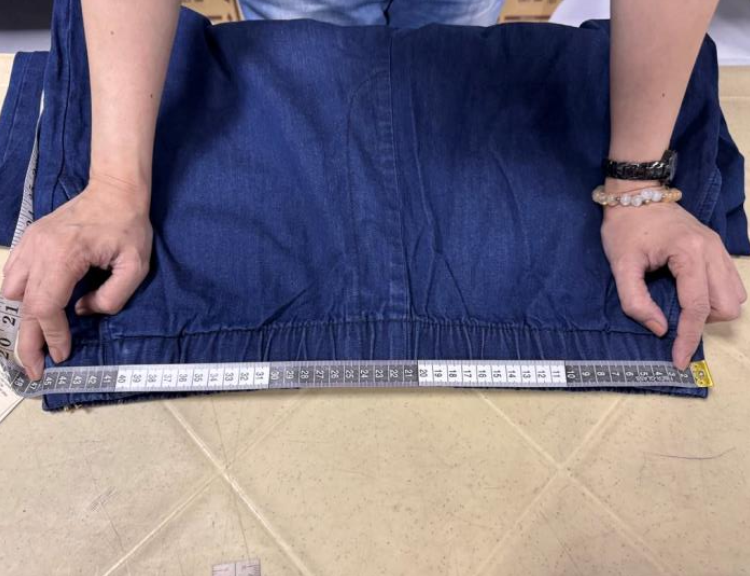
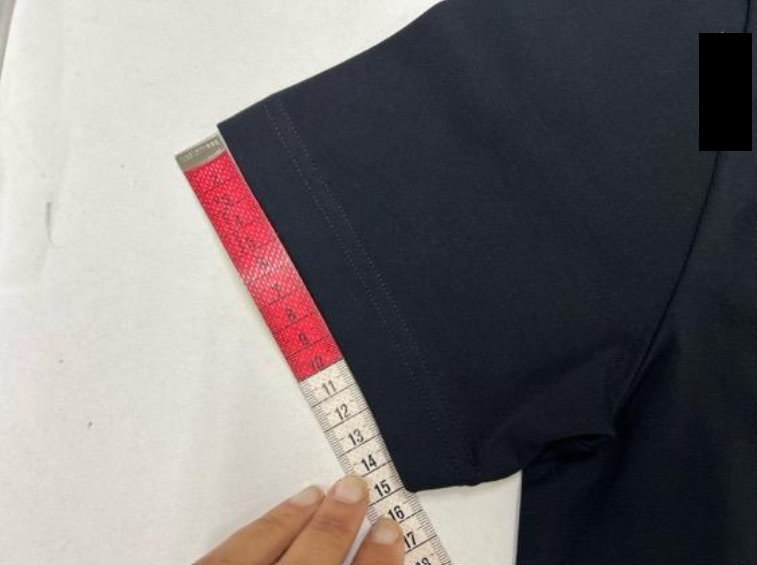
Zurich Inspection verifies garment measurements against size charts, tolerance tables, and point-of-measure instructions. Depending on the product, checked points may include sleeve length, body length, waist, inseam, chest, shoulder, neckline, leg opening, hip, thigh, cuff, collar, and other product-specific measurement points.
Inspector method:
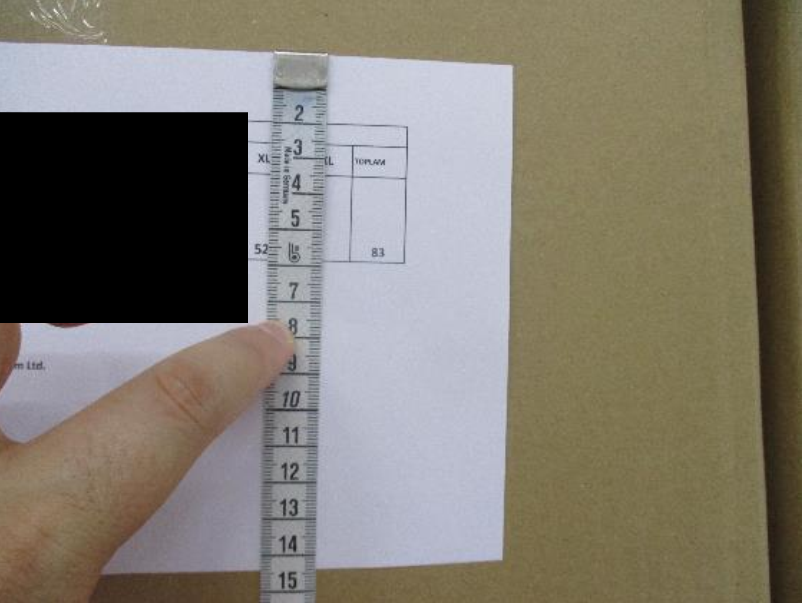
- use measuring tape, ruler, or other appropriate tools
- measure on a flat surface using defined garment positioning
- follow client size chart and point-of-measure instructions
- record results in a measurement table
- identify out-of-tolerance measurements
- photograph measurement method where useful
- check multiple sizes, colors, and styles according to the sampling plan
Measurement reliability depends on clear points of measurement, garment relaxation, fabric stretch behavior, washing or finishing process, and tolerance definition. Zurich Inspection recommends that clients provide size charts, measurement diagrams, and tolerance tables before inspection.
Fabric and material checks
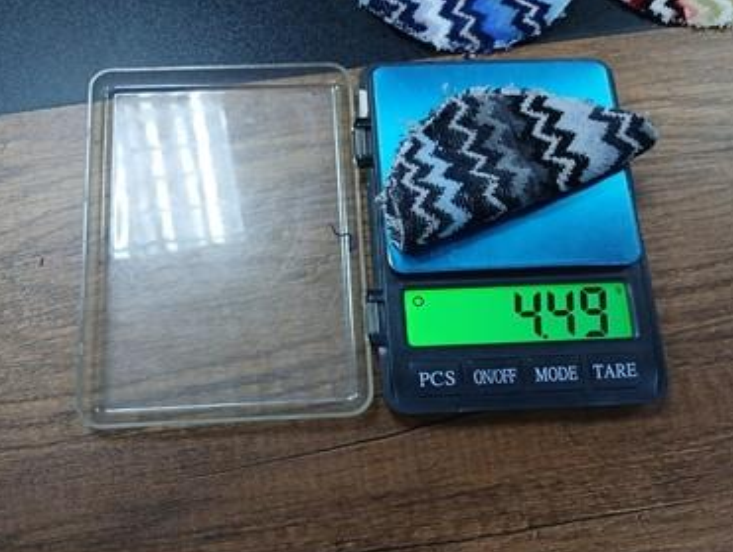
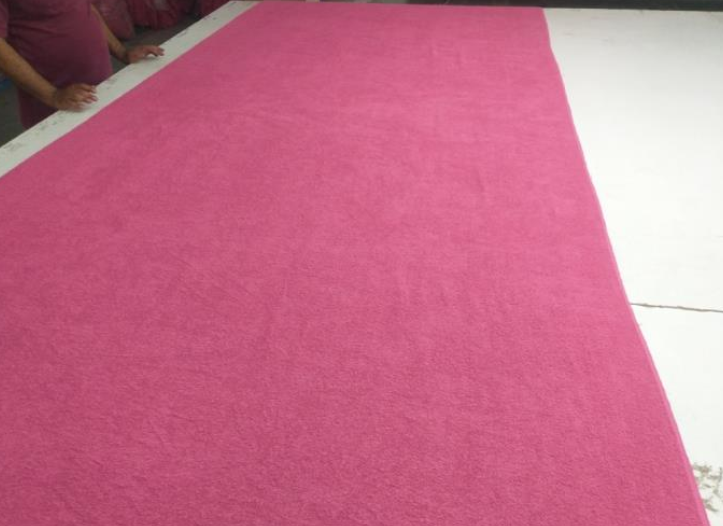
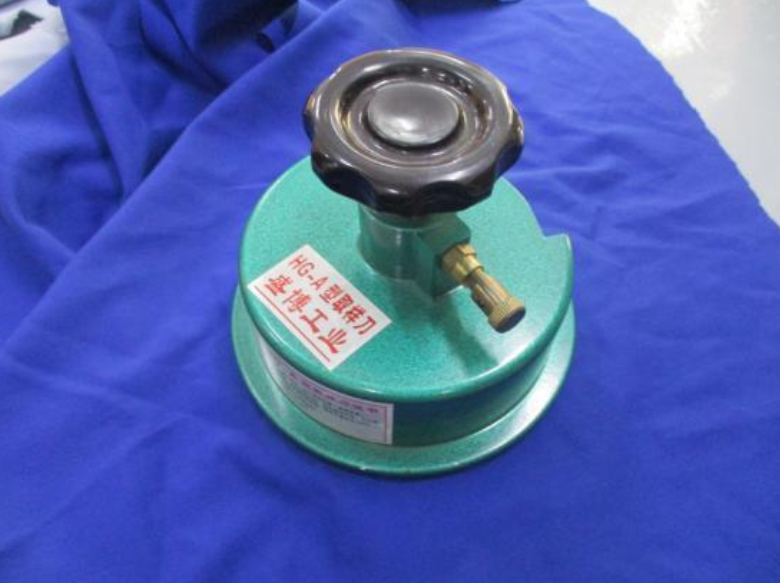
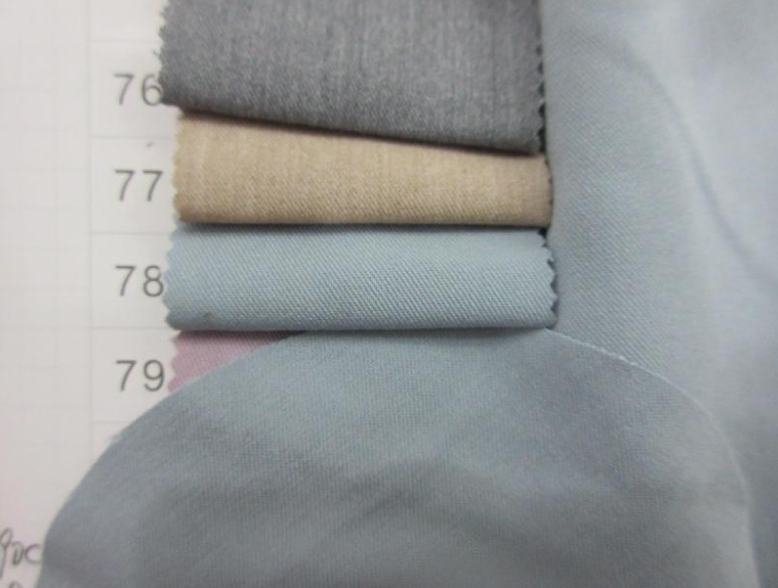
Zurich Inspection can verify fabric appearance, hand feel, shade consistency, visible weaving or knitting defects, fabric stains, slubs, holes, GSM where applicable, fabric width where applicable, roll condition where applicable, material mix against available specifications, and comparison with approved reference samples.
Inspector method:
- visual review of visible fabric surfaces
- shade comparison within the sample set and against approved reference where available
- check for lot-to-lot or panel-to-panel variation
- verify visible material defects such as stains, holes, slubs, creases, dye marks, oil marks, or contamination
- check basic GSM, width, or fabric parameters only when included in the scope and suitable equipment is available
Laboratory note: fiber composition, restricted substances, formaldehyde, azo dyes, colorfastness, dimensional stability, pilling, tear strength, tensile strength, seam slippage, flammability, and performance claims require laboratory testing when they cannot be verified reliably through visual inspection.
Trims and accessories
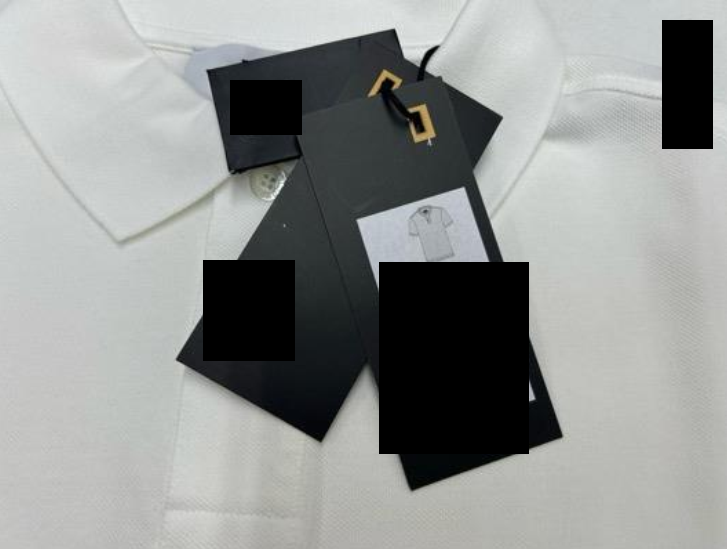
Zurich Inspection checks buttons, snaps, zippers, hooks, eyelets, elastic, drawcords, buckles, labels, patches, hangtags, printed artwork, embroidery, heat transfer, branding elements, spare accessories, and packaging accessories.
Inspector method:
- verify type, quantity, color, placement, and function
- check attachment and workmanship
- perform basic pull or function checks where included in scope
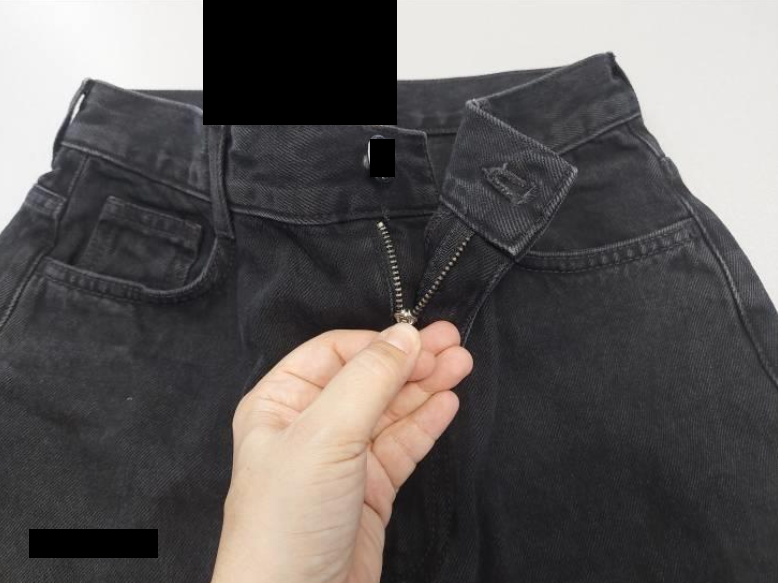
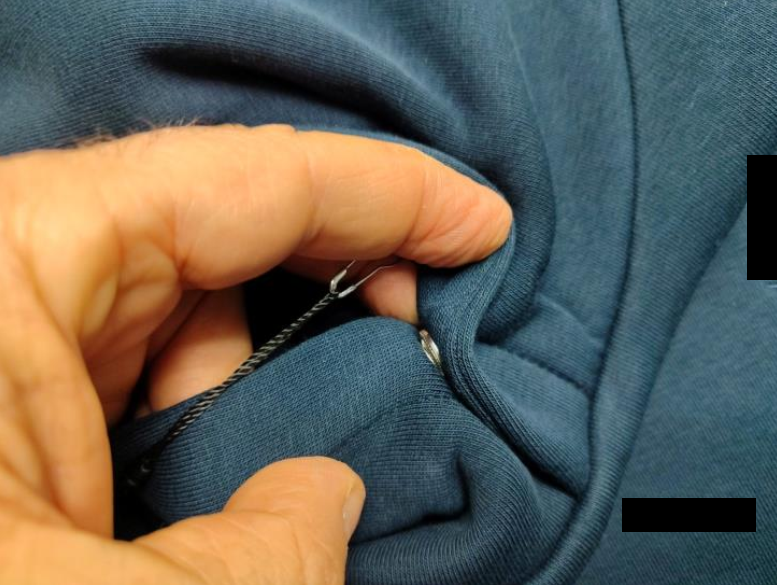
- check zipper opening and closing
- check button, snap, hook, hook-and-loop, elastic, and drawcord function
- verify spare parts and accessory bags where required
Incorrect trims or poorly attached accessories may cause product rejection, customer complaints, or safety concerns, especially in children’s apparel, uniforms, workwear, and products sold under strict retail requirements.
Labels and regulatory markings
Zurich Inspection verifies care labels, fiber composition labels, country of origin labels, size labels, brand labels, warning labels, barcode labels, SKU labels, carton labels, shipping marks, and retail packaging information according to client requirements and destination-market instructions.
Inspector method:
- compare label content against client artwork, technical file, destination-market instructions, and approved sample
- verify label position, stitching, readability, language, and attachment
- check barcode and SKU where equipment or scanner is available
- verify carton labels and shipping marks against packing list and purchase order
Zurich Inspection can verify whether the label matches the client’s provided requirements. Legal validation of label compliance for a destination market should be scoped separately when required.
Packaging and packing
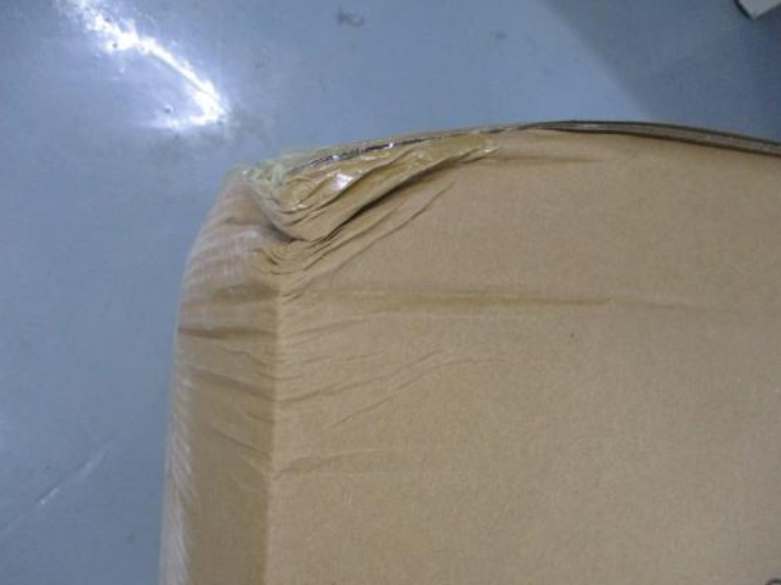
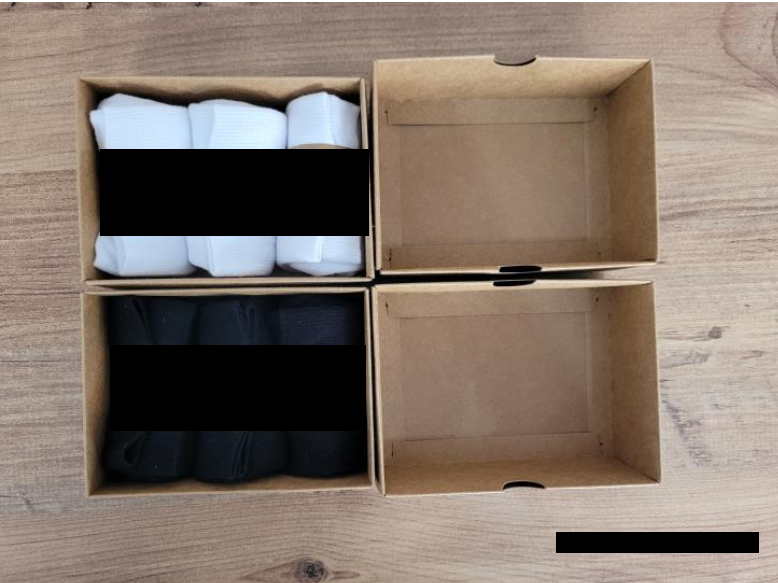
Zurich Inspection checks polybag condition, carton strength, carton markings, assortment, folding method, hanger requirements, moisture protection, desiccants where required, carton quantity, packing list conformity, pallet condition, and shipment preparation.
Inspector method:
- verify packaging type, carton quantity, assortment, and shipping marks
- check folding, polybag, hanger, sticker, carton, and pallet requirements
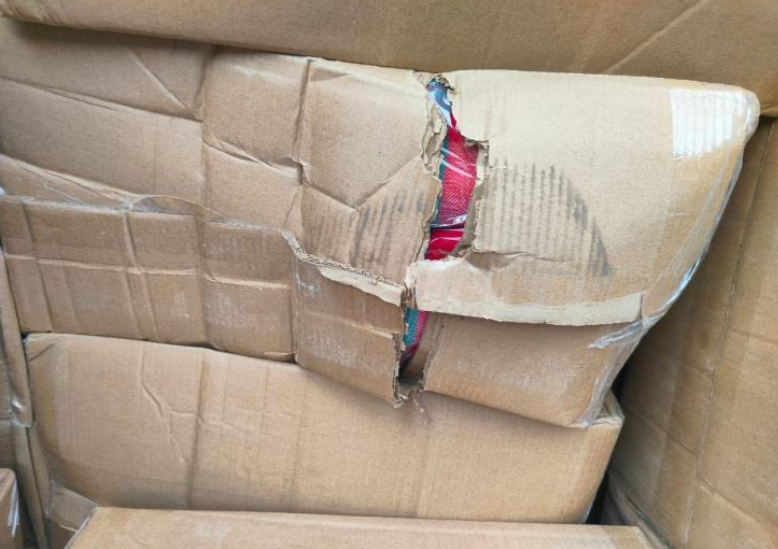
- check carton condition, wet damage, crushing, contamination, or weak sealing
- check carton weight or dimensions if included in scope
- verify packing list against physical goods and cartons
Packaging issues can create transit damage, retail rejection, relabeling costs, rework, or customs and distribution delays.
On-site tests and functional checks
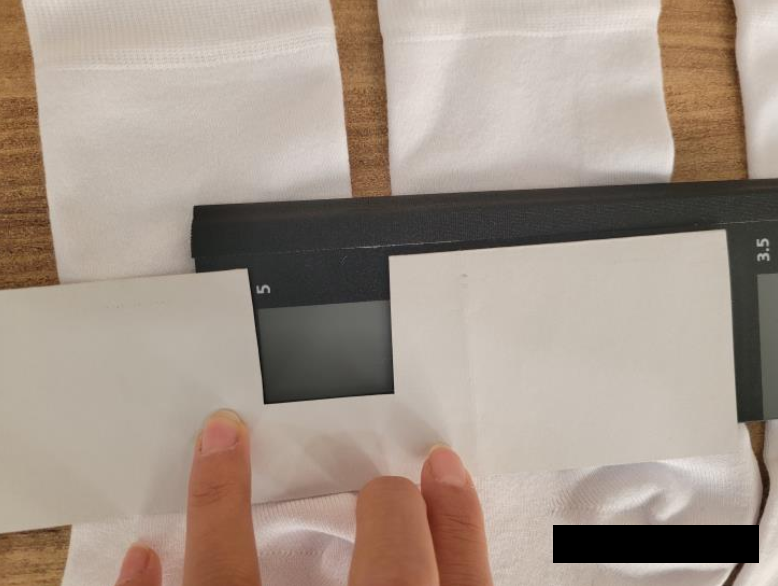
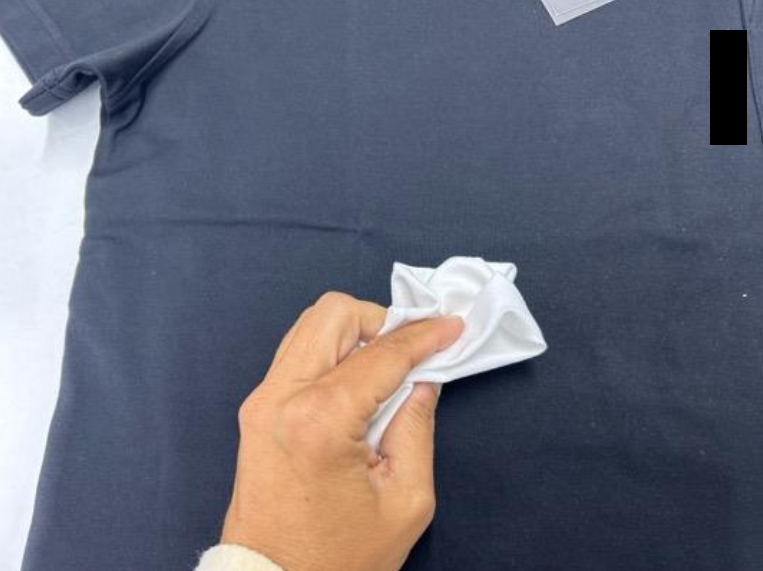
Basic function checks may include zipper operation, button attachment, snap function, seam stress checks, dry or wet rubbing checks where applicable, fitting check on mannequin or flat review where available, print adhesion check, basic stretch recovery observation, needle detection verification where equipment is available, carton drop or packaging checks if included in the scope, and barcode scan checks where equipment is available.
Recommended on-site checks may include:
- seam stress observation
- zipper operation
- snap and button function
- elastic stretch and recovery observation
- drawcord length and function
- print or heat-transfer adhesion check
- dry rubbing check where agreed
- basic washing or wet check only if time, method, and facility conditions are agreed
- barcode scan check
- needle detector record review where applicable
- carton drop test if specified by the client
Laboratory tests such as fiber composition, formaldehyde, azo dyes, flammability, colorfastness, shrinkage, pilling, tensile strength, tear strength, seam slippage, abrasion resistance, and restricted substance testing may require accredited laboratory testing and should be scoped separately when needed.
Standards and reference methods that may be relevant depending on product and scope include:
- ISO 2859-1 / ANSI/ASQ Z1.4 for AQL sampling by attributes
- ANSI/ASQ Z1.9 for sampling by variables where applicable
- ISO 139 for textile conditioning and testing atmospheres where laboratory conditions are relevant
- ISO 3759 for preparation, marking, and measuring of textile specimens and garments in dimensional change tests
- ISO 5077 for dimensional change after washing and drying
- ISO 6330 for domestic washing and drying procedures for textile testing
- ISO 105 series or AATCC methods for colorfastness testing
- AATCC TM61 for accelerated colorfastness to laundering
- ASTM D5034 for breaking strength and elongation of textile fabrics by grab test
- ASTM D1424 for tear strength of fabrics by falling-pendulum method
- ASTM D3786 for bursting strength of textile fabrics where applicable
- ISO 12945 series or ASTM D3512 for pilling resistance where applicable
- EN 14682 for cords and drawstrings on children’s clothing where applicable
- EU REACH, CPSIA, flammability, labeling, and restricted-substance requirements where destination-market compliance is included in scope
Zurich Inspection verifies product condition and available evidence on site. Laboratory testing, certification, and regulatory compliance reviews can be coordinated or scoped separately where required.
AQL Sampling and Defect Classification for Garments
Zurich Inspection can conduct textile and apparel inspections using defined sampling plans, commonly based on ISO 2859-1 / ANSI/ASQ Z1.4 where applicable and agreed by the client. The sampling plan defines how many pieces are selected from the lot and how defects are classified.
AQL is not a guarantee that every unit in the lot is defect-free. It is a statistical sampling method used to estimate whether the lot meets the agreed acceptance level. For high-risk apparel, premium retail programs, children’s clothing, safety-related garments, or repeated supplier issues, stricter AQL levels, special inspection levels, 100% sorting, or laboratory testing may be required. Defects are usually classified as critical, major, or minor.
The AQL level, inspection level, sample size, and acceptance criteria should be defined before inspection. Zurich Inspection reports the observed result and does not approve or reject goods beyond the agreed acceptance framework.
For standard garment PSI, buyers often define separate AQL limits for critical, major, and minor defects. Common commercial settings may include zero tolerance for critical defects, AQL 2.5 for major defects, and AQL 4.0 for minor defects, but the final levels must be agreed by the client before inspection.
Critical defects
Critical defects may create safety, regulatory, or severe usability risk. Examples may include sharp objects, needle contamination, hazardous defects, incorrect safety labeling, unsafe drawcord construction, contamination, mold, strong chemical odor, or defects that make the product unsafe or legally unacceptable.
Critical defects are generally not accepted. The acceptance limit for critical defects is normally zero unless otherwise defined by the client.
Major defects
Major defects are likely to affect product use, customer acceptance, brand image, or saleability. Examples may include open seams, broken zippers, incorrect measurements outside tolerance, wrong color, visible stains, holes, missing components, incorrect labels, severe shade variation, wrong assortment, wrong size, missing accessories, or serious workmanship failures.
Minor defects
Minor defects do not usually affect product function but may affect appearance or finishing quality. Examples may include loose threads, slight puckering, small finishing imperfections, minor shade variation within tolerance, small packaging imperfections, or minor label placement deviation where still acceptable to the client.
Common Defects Found During Garment Inspection
Textile and apparel defects may originate from raw materials, fabric processing, cutting, sewing, washing, finishing, labeling, packing, storage, or loading. Zurich Inspection documents defects according to the agreed classification and provides photo evidence where applicable.
Fabric defects
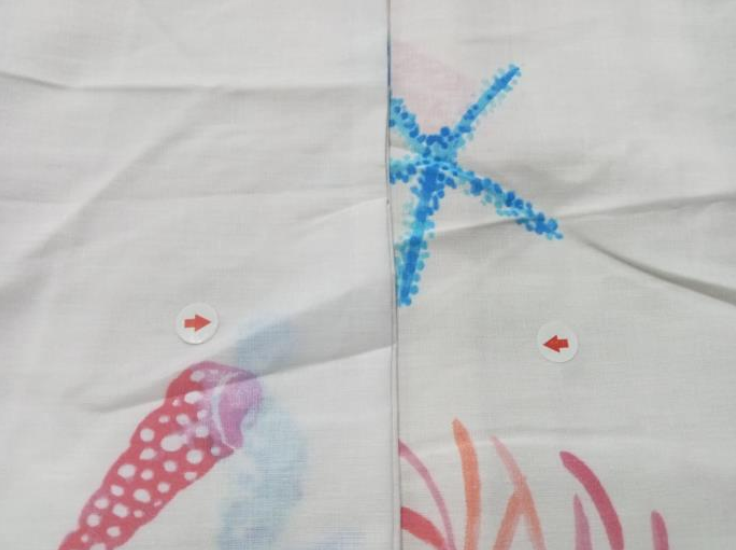
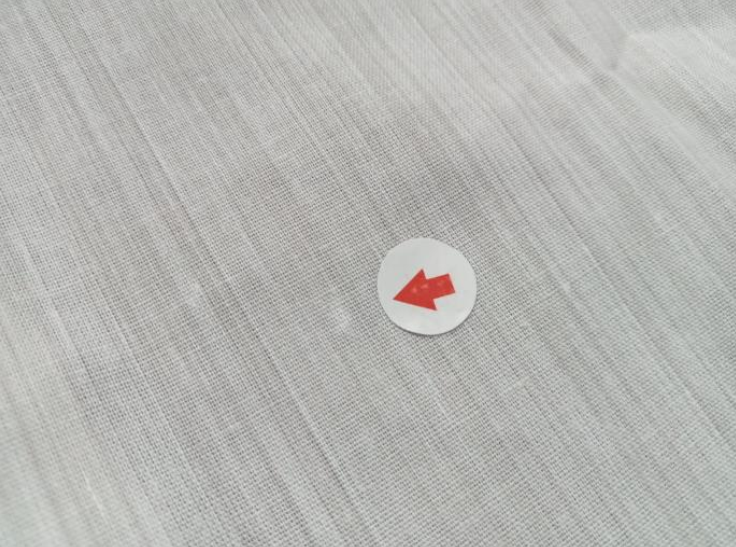
Common fabric defects include holes, stains, slubs, shade bands, color variation, yarn defects, weaving defects, knitting defects, fabric contamination, poor hand feel, coating defects, printing defects, dyeing defects, creases, oil marks, and visible material inconsistency.
Possible risks include customer complaints, poor appearance, shade mismatch between panels, rejection by retailers, garment downgrading, rework, or inability to use fabric for the intended style.
Sewing defects
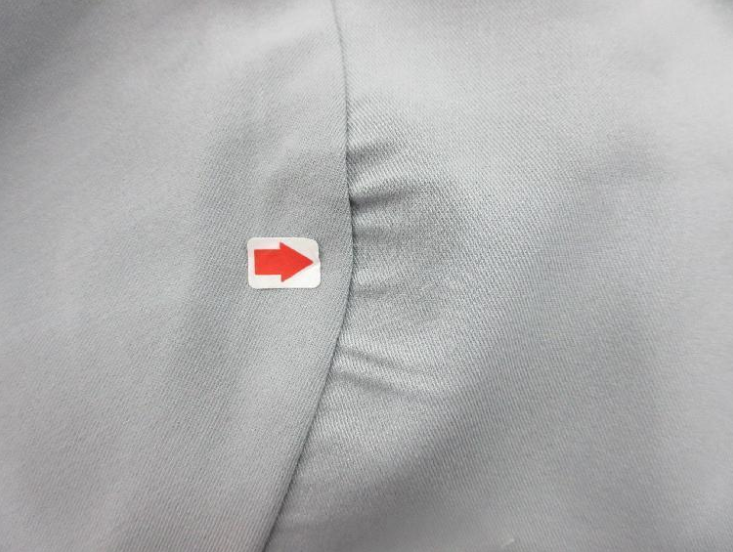
Common sewing defects include open seams, skipped stitches, broken stitches, uneven stitching, poor seam allowance, twisted seams, puckering, loose threads, weak bartacks, needle damage, seam slippage, incorrect stitch density, uneven hems, and poor reinforcement.
Possible risks include poor durability, weak stress points, unattractive appearance, customer returns, and failure during wear or washing.
Measurement defects
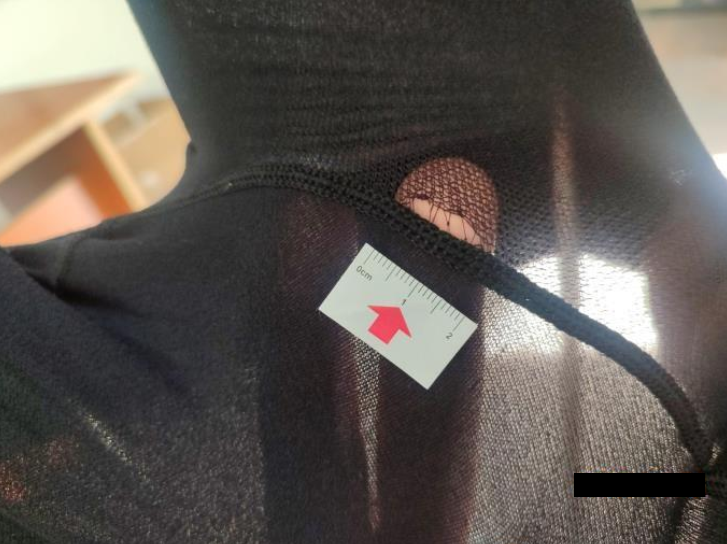
Common measurement defects include incorrect size, shrinkage risk signals, out-of-tolerance dimensions, asymmetry, poor grading, wrong sleeve or inseam length, inconsistent waist or chest measurements, twisted leg, uneven panels, inconsistent neckline, and mismatch between garment and size chart.
Possible risks include poor fit, high return rate, customer dissatisfaction, retail rejection, or inability to sell the goods under the intended size range.
Appearance defects
Common appearance defects include wrinkles, poor pressing, stains, oil marks, bad trimming, color mismatch, print defects, embroidery defects, heat-transfer defects, uneven finishing, poor shape, poor drape, poor folding, or poor presentation.
Possible risks include brand image damage, retail rejection, rework costs, markdowns, or claims from distributors and customers.
| Defect type | Example | Possible risk | Typical classification | How Zurich documents it |
|---|---|---|---|---|
| Fabric defect | Hole, stain, shade band, slub | Customer complaint, visible quality issue | Major or minor depending on severity and location | Product photo, close-up defect photo, style/color reference |
| Sewing defect | Open seam, skipped stitch, broken stitch | Durability issue, poor workmanship | Major or minor depending on severity | Defect photo, garment location, defect count |
| Measurement defect | Waist or chest outside tolerance | Poor fit, retail rejection | Major when outside agreed tolerance | Measurement table, photo of measurement method |
| Labeling defect | Wrong care label or barcode | Compliance or retail receiving issue | Major or critical depending on risk | Label photo, comparison with requirement |
| Packaging defect | Wrong carton marking or damaged carton | Shipment delay, receiving issue | Major or minor depending on impact | Carton photo, packing list comparison |
| Contamination risk | Needle, metal piece, mold, strong odor | Safety or regulatory risk | Critical in many cases | Photo evidence, location, immediate escalation |
On-Site Checks Versus Laboratory Testing
Some garment checks can be performed on site. Others require laboratory testing.
On-site checks may include:
- workmanship review
- measurements
- packaging checks
- label comparison
- zipper and button function
- barcode scan checks
- basic seam-stress observation
- visual fabric-condition review
- selected print or transfer adhesion checks where agreed
Laboratory testing may be required for:
- fiber composition
- restricted substances
- formaldehyde
- azo dyes
- colorfastness
- dimensional stability
- pilling
- tear strength
- tensile strength
- seam slippage
- flammability
- abrasion resistance
- other regulated or performance claims
These should be scoped separately when required.
When to Use a Garment Inspection
Different inspection types are used at different stages:
- before production starts, to verify readiness
- during production, to detect issues early
- before shipment, to assess final lot conformity
- during loading, to confirm dispatch conditions
- after defects are found, to support sorting or rework verification
The right inspection type depends on supplier status, production stage, and the decision that must be made after the inspection.
Need Support with a Garment Inspection?
Zurich Inspection supports garment, apparel, and textile inspections across multiple sourcing regions and production environments.
To request support, share the supplier location, production stage, product type, available specification documents, and target inspection date.