Quality Inspection Services
Quality Inspection Services are independent, on-site verifications used to confirm product conformity at a specific stage of production. Zurich Inspection performs inspections across consumer, industrial, and regulated products to support shipment release decisions, risk control, and supplier accountability. Inspections are based on observable conditions, defined acceptance criteria, and documented evidence.
Independent Quality Inspection Company
Qualified Inspectors and Engineers
Based on AQL sampling and defined specifications
On-Site Coverage in 33+ Countries
Detailed Inspection Reports with Evidence
Quality Inspections for Shipment and Release Control
Independent, on-site quality inspections to verify product conformity, manufacturing consistency, and shipment readiness at defined stages of production.
Zurich Inspection provides Quality Inspection Services designed to help manufacturers, buyers, and project owners control quality risks before products are released, packed, or shipped. Inspections are conducted on site, based on verified reality, agreed criteria, and documented evidence, enabling objective go / no-go decisions at critical production milestones.
Quality inspection services are used to verify whether products, components, or assemblies conform to technical specifications, approved samples, drawings, and contractual requirements at a specific point in time. They are particularly effective when production volumes are significant, delivery deadlines are tight, or the cost of non-conformity is high.
Independence and Objectivity of Inspection Findings
Zurich Inspection operates as an independent quality inspection company. The company does not manufacture, trade, or source products on behalf of clients. This independence ensures that inspection findings reflect field observations only, without commercial or sourcing bias.
Zurich Inspection operates through a network of qualified inspectors and engineers deployed across 33+ countries, supporting manufacturers, importers, EPC contractors, and industrial buyers in managing supply chain risk. Inspection scopes are defined based on measurable acceptance criteria and international sampling standards, ensuring technical consistency across regions.
Qualified Inspectors
Inspections are performed by qualified local inspectors and engineers deployed close to manufacturing sites, covering consumer products, industrial and mechanical components, mobility-related products, and regulated or safety-critical goods. All inspections are performed by inspectors with an engineering education and relevant industry experience, who speak a minimum of two languages, including English and the local language. Each inspection is structured, repeatable, and aligned with defined inspection scopes and acceptance criteria.
Zurich Inspection deploys qualified engineers and certified inspectors with field experience ranging from 2 to over 30 years in manufacturing and industrial quality control.
Inspectors hold engineering degrees in Mechanical, Industrial, Electrical, Textile, or Materials Engineering and are assigned based on product type and technical complexity.
Depending on scope, inspectors may hold recognized certifications including:
- Certified Welding Inspector (CWI)
- NDT Level II and Level III (VT, PT, MT, UT, RT)
- Coating Inspection qualifications
- EN 1090 structural inspection competence
- Factory Acceptance Test (FAT) supervision experience
Benefits of Working with Zurich Inspection
- Detect defects before shipment, while corrections are still possible.
- Reduce financial risk from rework, delays, and claims.
- Make clear go / no-go decisions before release.
- Hold suppliers accountable across global production.
Evidence First
Third-Party Inspections
Comprehensive Reports
What Are Quality Inspection Services?
In practice, quality inspection services are implemented through structured on-site verifications performed to assess whether products, components, or assemblies comply with defined specifications, standards, and acceptance criteria. Inspections are conducted at different stages of production to identify defects, deviations, or risks that may affect performance, safety, or contractual compliance.
As a Quality Inspection Company, Zurich focuses on factual observation, measurable verification, and objective reporting rather than certification or consulting activities.
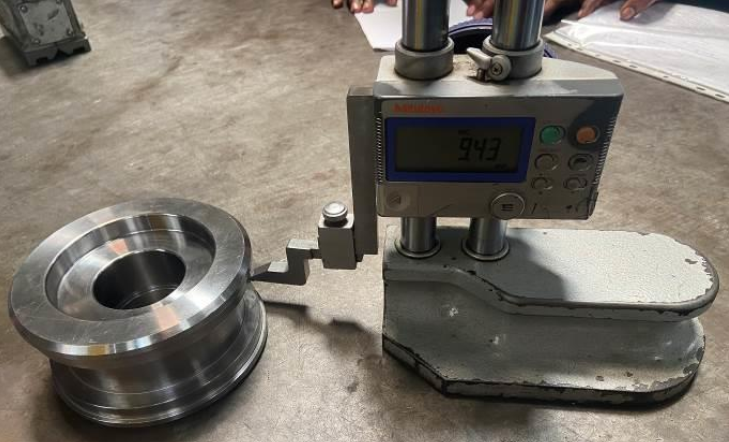
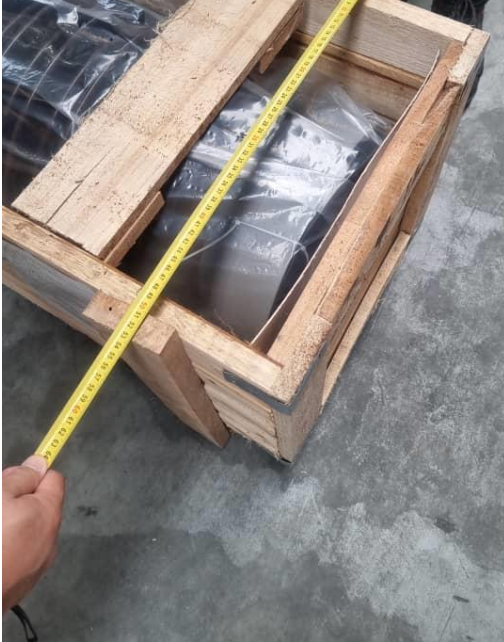
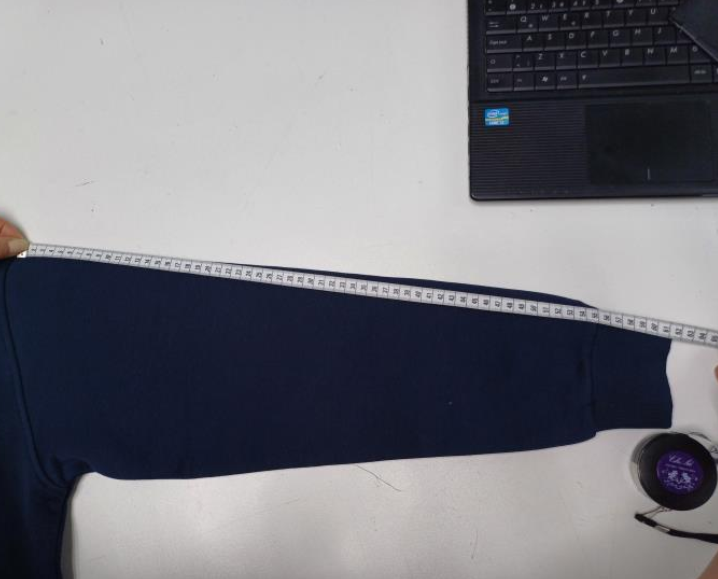
Findings are based on observed conditions at the time of inspection. All the measurements, tests, and defects are recorded with photographic evidence. Zurich Inspection doesn’t extrapolate beyond inspected samples.
Standards and Reference Frameworks
Quality inspection services are conducted using recognized sampling and acceptance frameworks to ensure objective and repeatable product verification. Where applicable, inspections reference ISO 2859 and ANSI/ASQ Z1.4 and Z1.9 sampling tables, which define statistically valid sample sizes, inspection levels, and Acceptable Quality Limits (AQL) for attribute and variable inspections.
Inspection criteria are further defined through client technical specifications, approved samples, engineering drawings, bill of materials, and packaging or labeling requirements. These reference frameworks support consistent defect classification (critical, major, minor) and acceptance decision
Example of AQL Sampling in Practice
To illustrate how sampling works in a typical pre-shipment inspection:
- Order quantity: 12,000 units
- Inspection level: General Level II
- AQL: 2.5 for major defects / 4.0 for minor defects
- Sample size (per ISO 2859-1): 200 units
Acceptance criteria example:
- Maximum 10 major defects allowed
- Maximum 14 minor defects allowed
- Zero critical defects accepted
If the number of defects exceeds the acceptance number, the batch is rejected or corrective action is required before shipment.
This statistical approach ensures inspection decisions are objective, repeatable, and aligned with international standards.
When Are Quality Inspection Services Required?
Inspections are often used as a preventive control to reduce the cost of rework, delays, claims, or recalls. Quality inspection services are commonly required in the following situations:
- Outsourced or international manufacturing
- New supplier onboarding or supplier qualification
- Start of production or production ramp-up
- Medium to high production volumes
- Safety-critical or regulated products
- Risk mitigation before shipment or delivery
- Contractual quality control requirements imposed by customers
When Quality Inspection Services Are the Right Solution and When They Are Not
Quality inspection services are effective when the objective is to verify product conformity at a defined point in time. They are particularly suited for batch verification, shipment release decisions, and short-term risk control.
However, quality inspections alone may not be sufficient when:
- Root causes of recurring defects must be identified
- Long-term supplier capability needs to be assessed
- Management systems or processes require evaluation
In such cases, supplier audits or process audits may be more appropriate. Inspections and audits are complementary tools serving different risk-control purposes.
How Long Does a Quality Inspection Take?
Inspection duration depends on product complexity, batch size, and testing requirements.
Typical duration ranges:
- Consumer goods PSI: 1 man-day
- Industrial or mechanical components: 1–2 man-days
- Welding or EN 1090 inspections: project-based duration
- Factory Acceptance Tests: 1–3 days depending on equipment
Reports are generally issued within 24 hours after inspection completion.
Lead time for scheduling is typically 24–72 hours depending on location.
Types of Quality Inspections Performed by Zurich
Zurich provides quality inspection services adapted to different production stages and risk levels.

Pre-Production Inspection (PPI)
Verification of raw materials, components, tooling readiness, and production setup before manufacturing begins.

During Production Inspection (DUPRO)
Inspection conducted during production to verify process stability, workmanship consistency, and early detection of deviations.

Pre-Shipment Inspection (PSI)
Final inspection performed when production is completed and goods are ready for shipment, based on defined sampling and acceptance criteria.

Container Loading Inspection (CLI)
Verification of quantity, packaging condition, labeling, and loading process prior to dispatch.

Product Sorting
On-site segregation of products to identify, isolate, and separate conforming and non-conforming units.
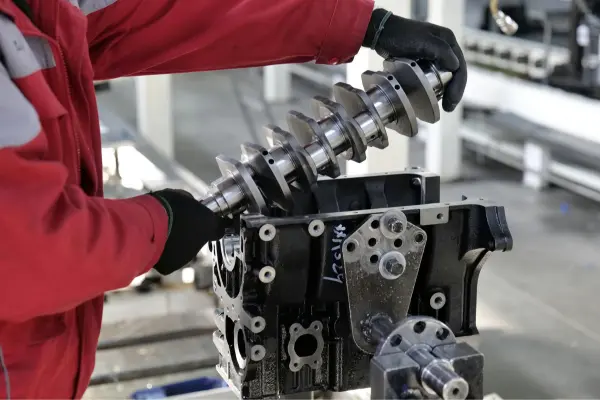
Product Rework
Controlled rework operations performed to correct identified non-conformities and restore product conformity.
Our Technical Inspection Services
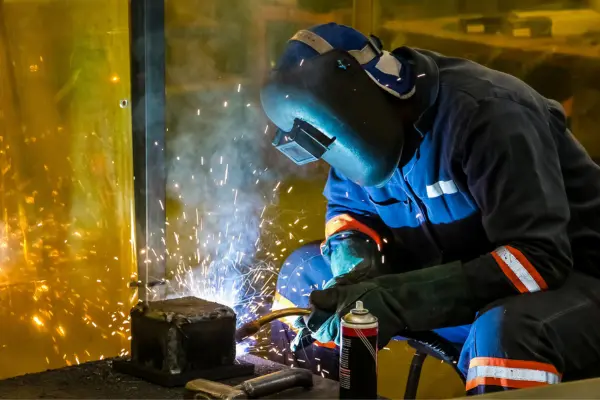
Welding Inspection
Inspection activities performed to verify compliance of welded joints with applicable standards.
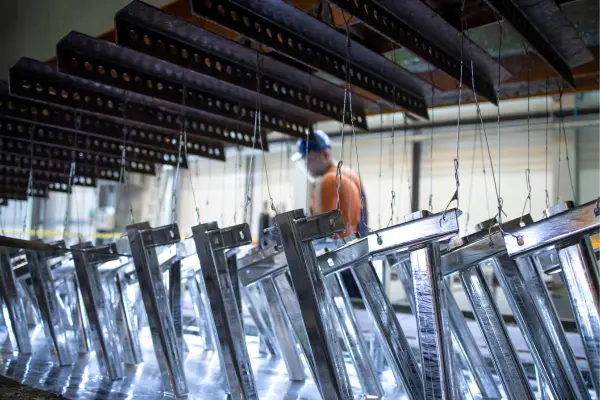
Coating Inspection
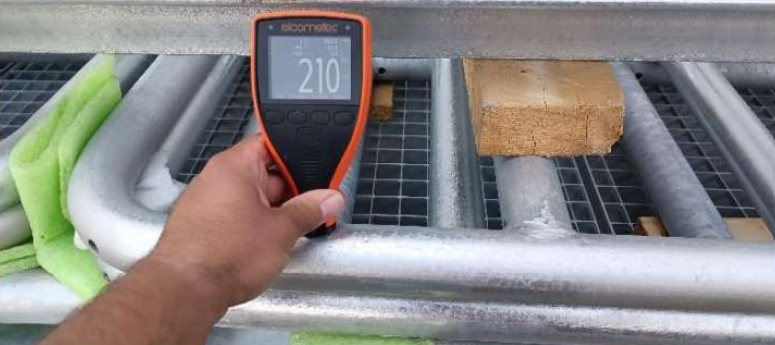
Verification of surface preparation, coating application, thickness, adhesion.
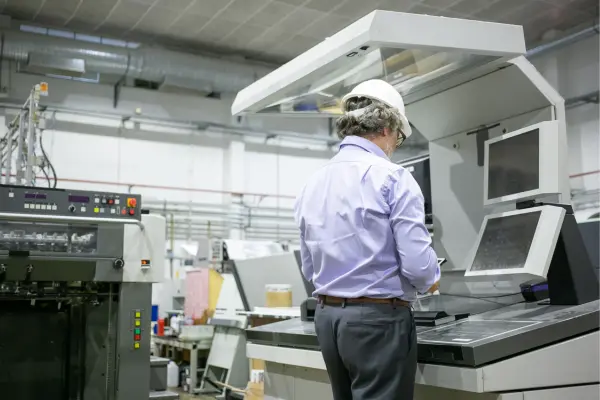
Factory Acceptance Test
Testing conducted at the manufacturer’s facility to verify equipment functionality, performance, and compliance.

EN 1090 Inspection
Inspection activities performed to assess conformity of structural steel or aluminum components with EN 1090 requirements.
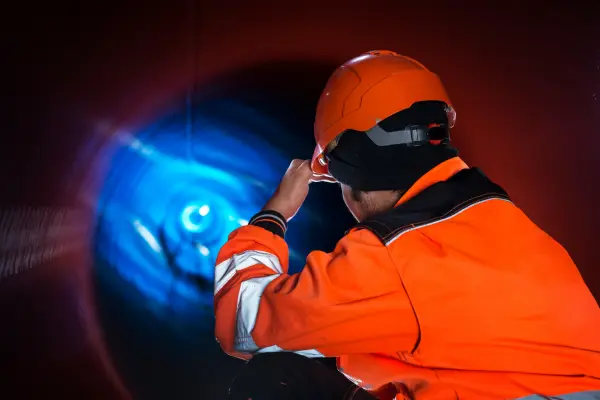
Non-Destructive Testing (NDT)
Inspection methods used to detect surface or internal discontinuities in materials or welds without causing damage.

Expediting
Production monitoring and follow-up activities performed to track manufacturing progress, verify milestone completion, and identify schedule risks.
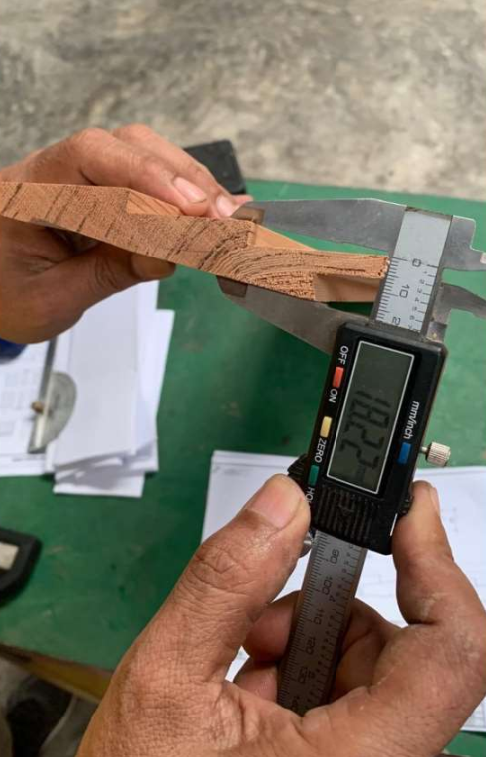
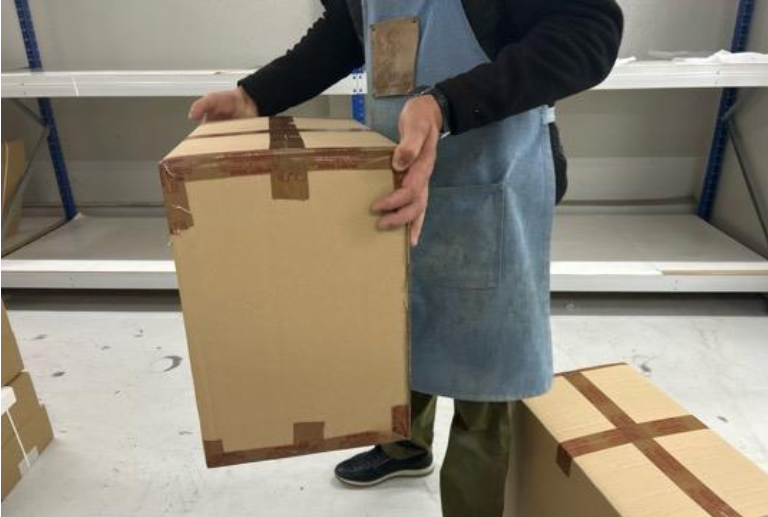
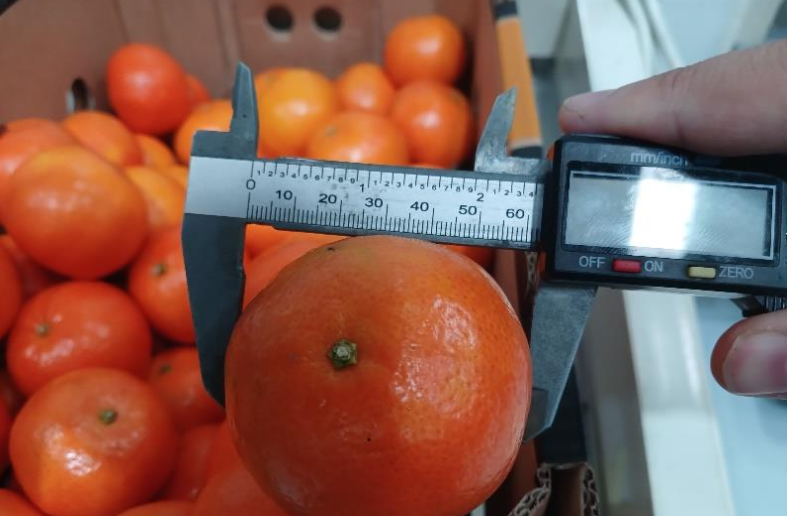
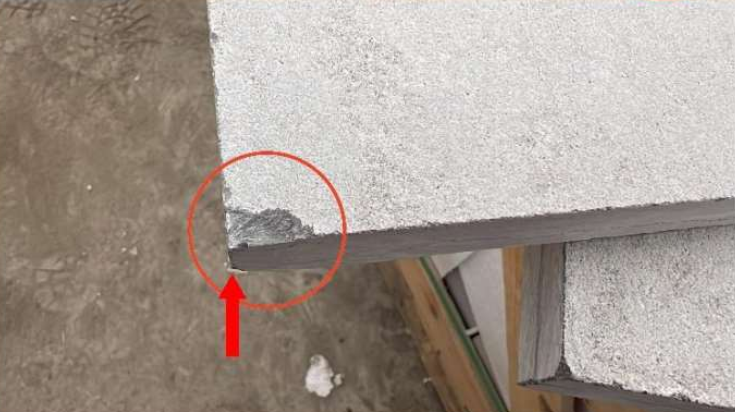
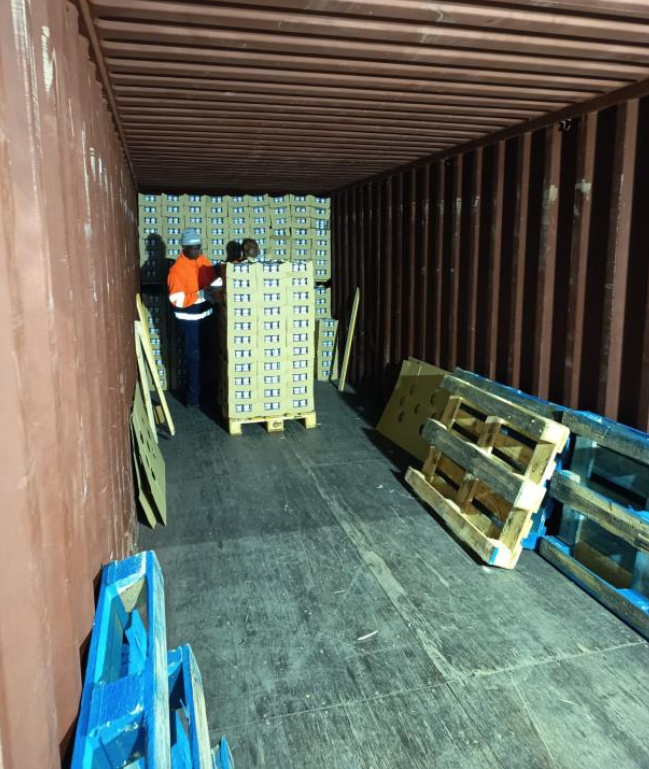
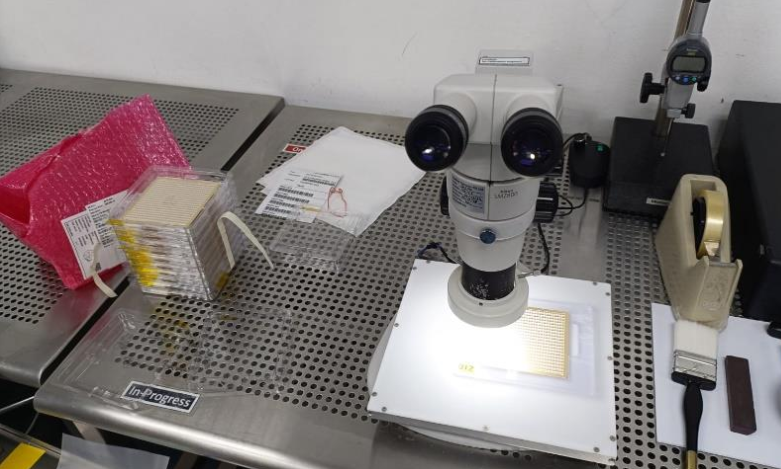
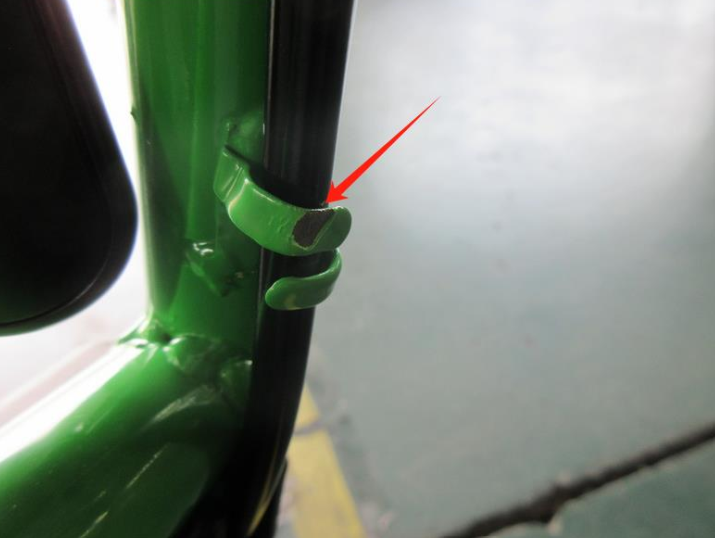
Pictures from Zurich Inspection Services
Some pictures from real quality product inspection work carried out by Zurich Inspection on site.
What Does a Quality Inspection Report Include?
Reports are factual and based solely on observations made at the time of inspection. A structured inspection report typically includes:
- Executive summary with overall result (Pass / Fail / Pending)
- Sampling method and AQL reference
- Quantity inspected versus total batch size
- Detailed list of identified non-conformities
- Defect classification (Critical / Major / Minor)
- Photographic evidence with annotations
- Measurement results and functional test outcomes
- Packaging and labeling verification
Global Quality Inspection Company
Zurich operates as a global quality inspection company through a network of qualified inspectors covering multiple regions. Inspections are performed close to manufacturing sites to ensure timely intervention and local understanding of production practices. Coverage is confirmed based on product type, technical requirements, and inspection location. Zurich Inspection provides solutions in 33+ countries.
This global execution model enables:
- Fast inspection scheduling
- Reduced logistical constraints
- Consistent inspection methodology across countries

Asia
China, Korea, Japan, Taiwan, the Philippines, Malaysia, Indonesia, India, Pakistan, Sri Lanka, Singapore, Mongolia, Bangladesh, Thailand, Vietnam, Cambodia, Laos, Nepal, Hong-Kong
Middle East
Turkey, UAE, Saudi Arabia, Oman, Qatar, Jordan
Africa
Egypt, Morocco, Algeria, Senegal, Kenya, Nigeria, South Africa, Rwanda
Industries Supported
Zurich provides quality inspection services across multiple industries.
Consumer products and retail goods
Electronics and electrical equipment
Mechanical and industrial components
Textile, garments, and footwear
Automotive and mobility-related products
Regulated and safety-critical products
How Zurich Delivers Quality Inspection Services
Zurich follows a structured and repeatable inspection methodology designed for consistency and traceability.
I. Inspection Preparation
- Review of technical specifications, drawings, and requirements
- Definition of inspection scope and acceptance criteria
- Alignment on sampling method and inspection checklist
- Visual inspection of products and workmanship
- Dimensional measurements using appropriate tools
- Functional or performance checks where applicable
- Verification of packaging, labeling, and traceability elements
II. On-Site Inspection
III. Reporting and Findings
- Clear identification of conformities and non-conformities
- Objective descriptions supported by evidence
- Classification of defects based on severity
- Summary conclusions aligned with inspection scope
Request Quality Inspection Support
Zurich supports companies requiring independent quality inspection services to secure production quality and reduce supply chain risk. Inspection scopes are defined based on technical requirements, production stage, and acceptable risk level.
Inspection requests are reviewed within 24 hours. In most locations, inspections can be scheduled within 24 to 72 hours depending on product type and site accessibility.
Technical scope confirmation and quotation are typically issued within one working day following receipt of required information.
How Much Does a Quality Inspection Cost?
Inspection costs depend on:
- Country of inspection
- Product complexity
- Inspection duration
- Required testing equipment
Typical market ranges for third-party inspections:
- Asia: USD 190–450 per man-day
- Middle East / Africa: USD 190–600 per man-day
- Europe: EUR 250–700 per man-day
Final pricing is confirmed based on technical scope, production stage, and location.
Q&A on Quality Inspections
What is the difference between quality inspection and quality audit?
A quality inspection verifies product conformity against defined acceptance criteria at a specific point in time, typically to support release or shipment decisions. A quality audit evaluates processes or management systems to assess long-term capability, compliance, and effectiveness. Inspections and audits are complementary tools used for different risk-control objectives.
Are quality inspection services mandatory?
Quality inspections are not universally mandatory, but they may be required by customers, contracts, internal quality policies, or regulatory expectations for certain products. Many organizations use inspections as a preventive control to reduce the risk of defects, delays, claims, or recalls before shipment or delivery.
Can Zurich customize inspection checklists?
Yes. Inspection scopes and checklists can be tailored based on technical specifications, approved samples, drawings, packaging and labeling requirements, and defined acceptance criteria. Customization ensures inspections focus on the characteristics and failure modes most relevant to the product and production stage.
What deliverables are provided after an inspection?
Deliverables typically include a structured inspection report with objective findings, defect classification (critical, major, minor), measurement and test results where applicable, and photographic evidence. The report supports clear release or corrective-action decisions aligned with the agreed inspection scope.
How are sample sizes and acceptance criteria defined for inspections?
Where applicable, inspections reference recognized sampling and acceptance frameworks such as ISO 2859 and ANSI/ASQ Z1.4 or Z1.9 to define sample sizes, inspection levels, and Acceptable Quality Limits (AQL). Final criteria are aligned with client specifications, drawings, approved samples, and contractual requirements.
What Are Typical Issues Identified During Quality Inspections
Quality issues are often not detectable through documentation review alone and require on-site inspection. Based on inspections conducted across manufacturing environments, common issues include:
- Cosmetic defects exceeding acceptance limits
- Dimensional deviations outside tolerance
- Inconsistent workmanship between production batches
- Incorrect materials or components used
- Labeling or traceability errors
- Packaging non-compliance leading to transit damage
About Us
Zurich Inspection is an independent inspection and engineering services provider delivering quality inspection, supplier audit, and technical support services across multiple industries and countries.
Zurich Compliance & Ethics Charter
Zurich Inspection conducts its activities with independence, integrity, and professional discipline. This charter defines the principles that guide how we conduct solutions.