
Container Loading Inspection Services
Container Loading Inspection (CLI) Services provided by Zurich Inspection consist of independent, on-site verification of goods during container loading, with the objective of confirming quantity, condition, packaging, labeling, loading method, and container integrity at the moment cargo is sealed for transport. Container loading inspections provide objective, time-stamped evidence used to reduce transport damage, prevent shipment discrepancies, and support liability clarification in international trade.
Quantity & Loading Verification
Container Condition Check
Seal Number Check
On-Site Coverage in 50+ Countries
Loading Reports with Photo Evidence
Global Container Loading Inspection Services
Zurich Inspection provides independent container loading inspection services for manufacturers, buyers, importers, distributors, logistics providers, and project owners that need factual verification at the point of loading.
Zurich delivers container loading inspections through a worldwide network of qualified inspectors located close to factories, warehouses, and consolidation hubs. Inspections are conducted on site, in real time, during the physical loading of goods into shipping containers. This timing allows inspectors to verify not only what is shipped, but how it is loaded, under what conditions, and in what quantity.
As an independent inspection company, Zurich does not manufacture, source, trade, transport, or insure goods. This strict operational independence ensures that container loading inspection findings are based solely on observed facts, agreed requirements, and objective evidence. CLI services are executed as verification activities, not as certification, consulting, or logistics services.
Container Loading Inspection reports issued by Zurich are designed to be decision-grade and evidentiary documents. They are commonly used to confirm shipment completeness, reduce transit damage risk, and clarify responsibility in the event of transport claims or disputes. For this reason, accuracy, neutrality, and traceability are treated as critical technical requirements.
Evidence First
Third-Party Inspections
Comprehensive Reports
What Is a Container Loading Inspection (CLI)?
A Container Loading Inspection (CLI) is a quality and logistics control performed at the final stage of shipment preparation, while goods are physically loaded into a shipping container. The inspection verifies that the correct products, quantities, packaging, and loading methods are used, and that the container itself is suitable for transport.
Unlike pre-shipment inspections, which focus on finished goods conformity, container loading inspections focus on shipment execution. They answer a different but equally critical question:
Are the correct goods loaded, in the correct condition, using the correct loading and securing methods, into a suitable container?
CLI services are widely used in international trade where transport risk, shipment completeness, and liability allocation are critical.
CLI is especially useful when product conformity has already been checked, but the buyer still needs independent confirmation that the right goods are loaded correctly and sealed under documented conditions.
When Are Container Loading Inspection Services Required?
Container Loading Inspection services are typically required when shipment risk extends beyond product quality and into logistics execution and transport exposure.
In many commercial contracts, confirmation of proper loading and container sealing is required to protect buyer interests once goods leave the supplier’s or warehouse’s control.
Container loading supervision is commonly used in the following contexts:
- International or long-distance maritime transport
- High-value or fragile goods
- Consolidated shipments or mixed SKUs
- Tight delivery schedules with limited tolerance for loss or damage
- Contractual requirements for third-party loading verification
- Supply chains with elevated exposure to transport claims
When Container Loading Inspection Is the Right Control and When It Is Not
Container Loading Inspection is appropriate when the objective is to control logistics and transport risk at the point goods are sealed for shipment.
However, CLI does not:
- Verify product conformity in depth
- Detect manufacturing defects
- Replace pre-shipment inspections or during production inspections.
CLI is most effective when combined with upstream quality inspections.
When finished-goods conformity still needs to be checked before shipment approval, pre-shipment inspection is usually more appropriate. When the main risk is loading accuracy, container condition, seal traceability, or transport damage, CLI is the better control point.
What Is Verified During a Container Loading Inspection?
A technically sound Container Loading Inspection covers three core areas: container condition, goods condition, and loading execution.
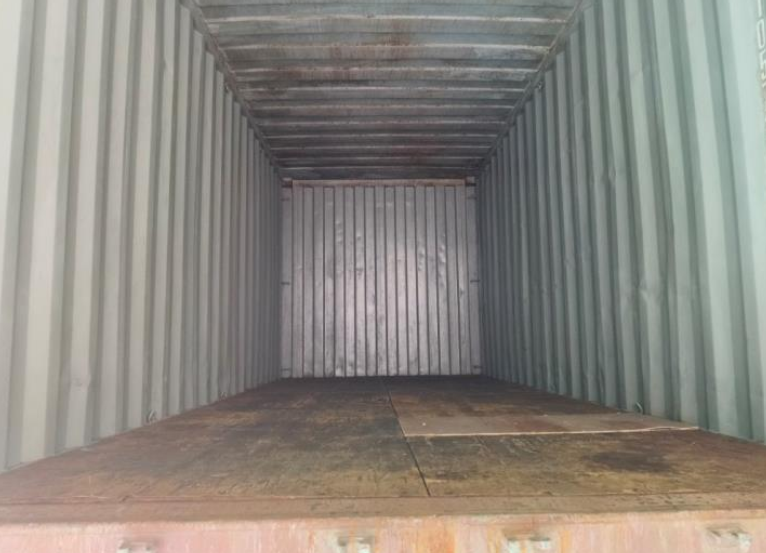
Container Condition Verification
Before loading begins, inspectors verify that the container is suitable for use.
Typical checks include:
- Container cleanliness and dryness
- Absence of odors, residues, or contamination
- Structural integrity (walls, floor, ceiling)
- Door condition and sealing surfaces
- Container identification and number
An unsuitable container can invalidate insurance coverage or expose cargo to damage.
Goods and Quantity Verification
During loading, inspectors verify that:
- The correct products are loaded
- Quantities match shipping documents
- Packaging condition is acceptable
- Carton markings and labels are correct
This step reduces the risk of shortages, substitutions, or shipment disputes.
Loading and Securing Method Verification
Inspectors observe and document how goods are loaded into the container.
This includes:
- Stacking method and load distribution
- Use of pallets, dunnage, and protective materials
- Securing methods to prevent movement during transit
- Compliance with agreed loading instructions
Improper loading is a leading cause of transport damage, even when products are conforming.
Container Sealing and Documentation
At the end of loading, inspectors:
- Verify container closure
- Apply or record seal numbers
- Confirm final container condition
- Document loading completion
Seal verification is critical for shipment traceability and liability allocation.
Photos and Evidence Capture
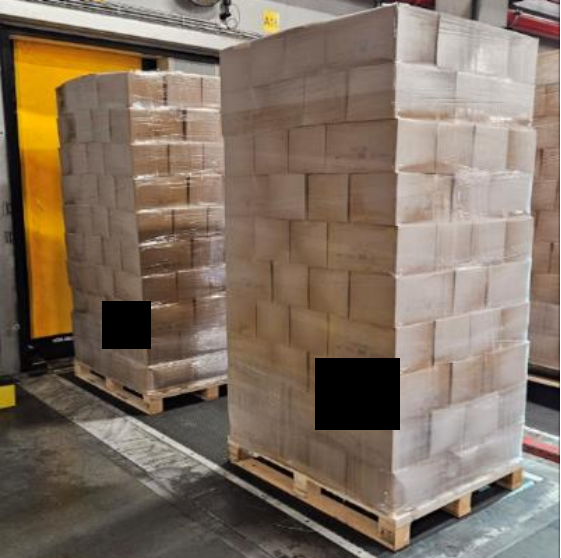
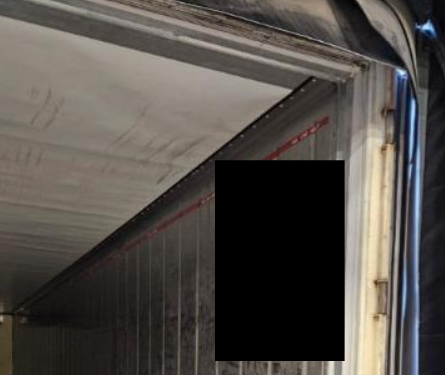
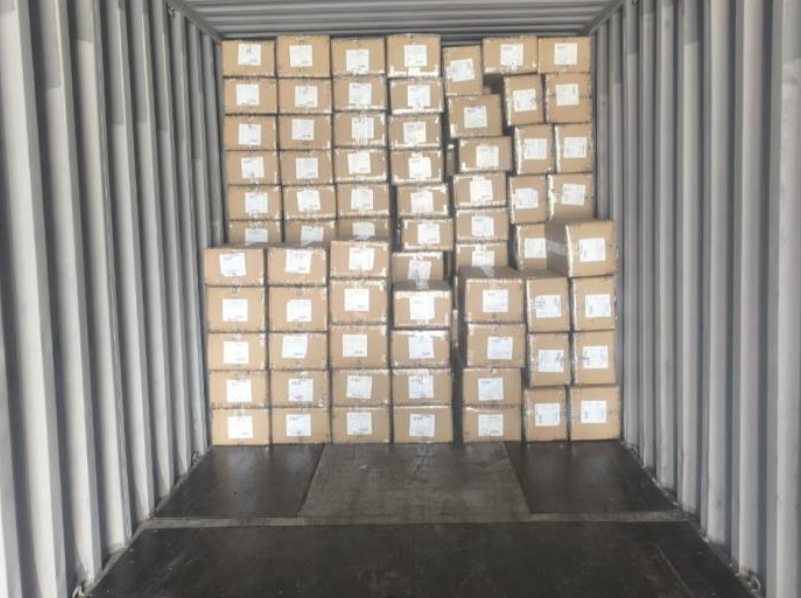
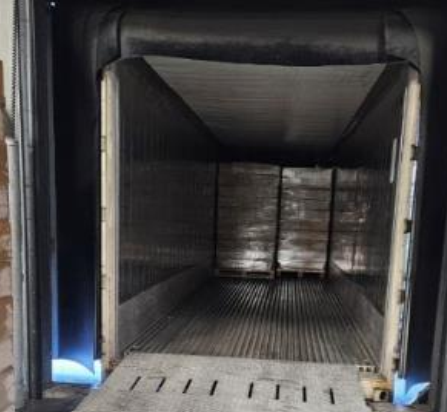
The inspector should document key loading stages with photos, including container condition before loading, goods before loading, loading progression, stacking method, packaging condition, final loaded view, seal number, and container closure. This evidence helps clarify what was observed at the loading point if a shortage, damage claim, or dispute occurs later.
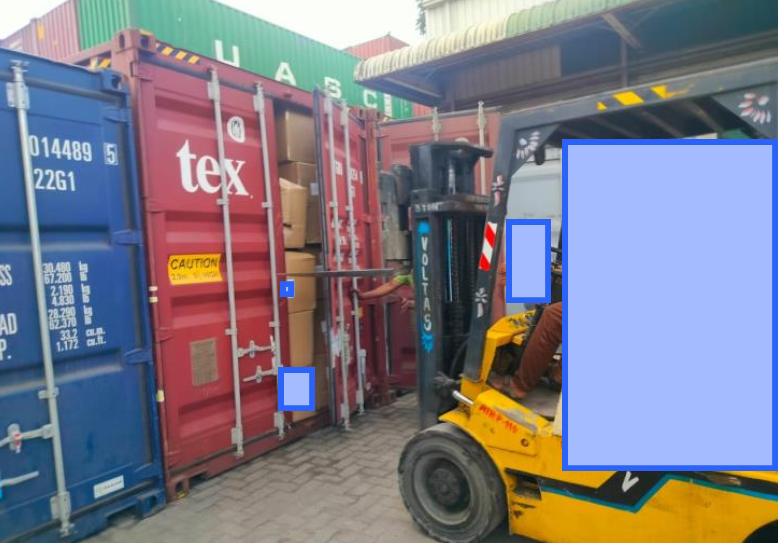
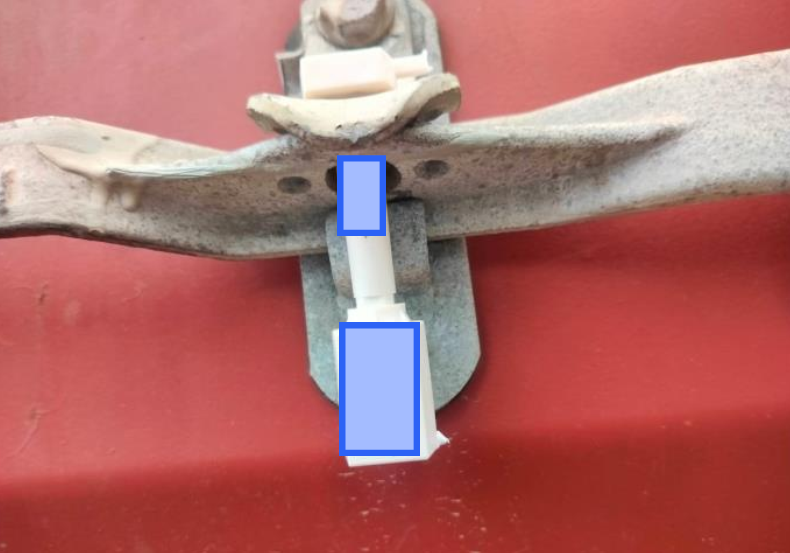
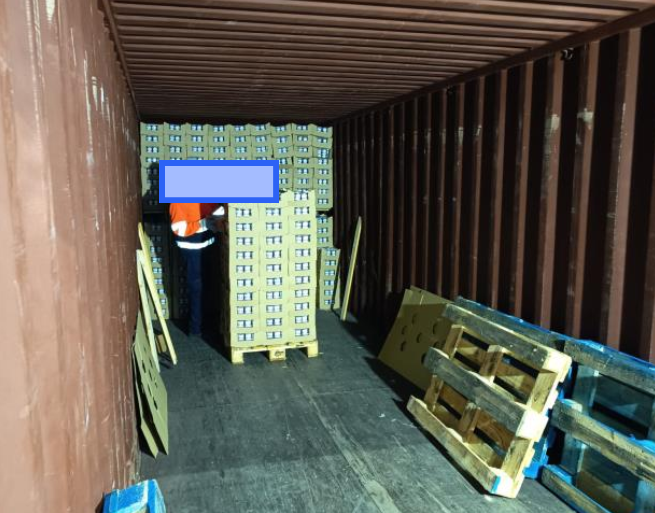
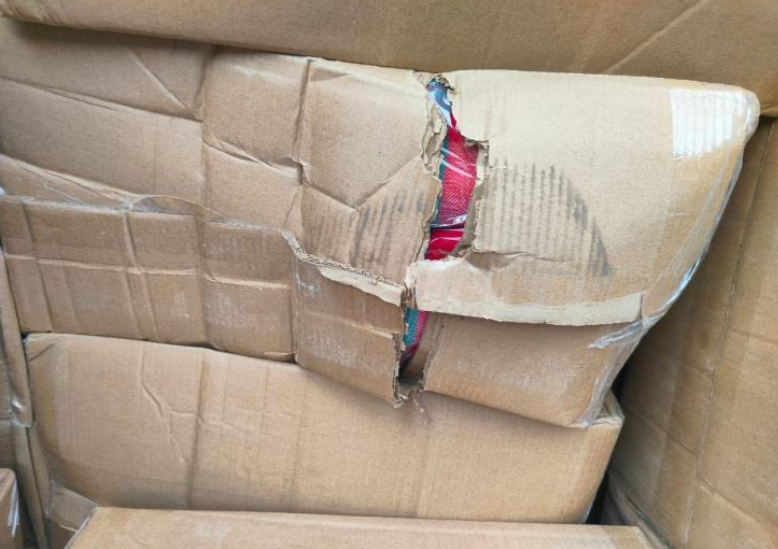
Pictures from Zurich Container Loading Inspection Services
Photos from container loading inspections carried out by Zurich Inspection.
Importance of Container Loading Inspection Reports in International Trade
Container Loading Inspection reports play a critical role in risk allocation and claim prevention.
They are commonly used to:
- Confirm shipment completeness
- Demonstrate proper loading practices
- Support insurance or transport claims
- Clarify responsibility between seller, buyer, and carrier
In the absence of CLI documentation, disputes related to damage, shortages, or contamination are significantly harder to resolve.
What Does a CLI Report Include?
A container loading inspection report should provide a clear factual record of the loading process, container condition, loaded goods, and final seal information. Depending on the scope, the report may include:
- Inspection date, location, supplier or warehouse details
- Container number and container condition before loading
- Product identification, carton count, pallet count, and loaded quantity
- Packaging condition, labels, shipping marks, and handling observations
- Loading sequence, stacking method, load distribution, and securing method
- Photos of the container, goods, loading process, final loaded condition, and seal
- Seal number and container closure confirmation
- Observed deviations, risks, or limitations of scope
Industries Supported by Container Loading Inspection Services
Zurich provides container loading inspection services across multiple industries, including:
Consumer products and retail goods
Electronics and electrical equipment
Mechanical and industrial components
Textile, garments, and footwear
Automotive and mobility-related products
Regulated and safety-critical products
Global Container Loading Inspection Coverage
Zurich operates through a global network of qualified inspectors, enabling container loading inspection services to be delivered close to production and consolidation locations.

Asia
China, Korea, Japan, Taiwan, the Philippines, Malaysia, Indonesia, India, Pakistan, Sri Lanka, Singapore, Mongolia, Bangladesh, Thailand, Vietnam, Cambodia, Nepal, Laos
Middle East
Turkey, UAE, Saudi Arabia, Oman, Qatar, Jordan
Africa
Egypt, Morocco, Algeria, Senegal, Kenya, Nigeria, South Africa, Rwanda
Europe
Italy, France, Spain, Switzerland, Belgium, Portugal, Germany, Slovenia, Slovakia, Poland, Netherlands, Denmark, Finland, Norway, Sweden, Romania, Bulgaria, Greece
Americas
Argentina, Brazil, Dominican Republic
Container Loading Supervision vs Other Quality Inspection Types
This comparison helps determine the most appropriate inspection method based on production risk and timing.
How Zurich Conducts Container Loading Inspections
Zurich applies a structured and repeatable CLI methodology to ensure consistent observation, evidence capture, and reporting during the loading process.
I. Inspection Preparation
- Shipping instructions
- Packing lists and quantities
- Loading requirements
- Client-specific checkpoints
II. On-Site Inspection
- Observe loading in real time
- Verify quantities as goods enter the container
- Check packaging and handling practices
- Document deviations or risks
III. Reporting and Shipment Evidence
- Container condition before loading
- Loading process and methods
- Quantity and product verification
- Seal application and container closure
- Photographic evidence
Request Container Loading Inspection Quote
Zurich Inspection supports companies that need independent verification during container loading and sealing. To request a CLI quote, share the product details, supplier or warehouse address, loading date, container type, packing list, order quantity, and any loading or sealing requirements.
Our team will review the request and recommend the inspection scope, attendance timing, and estimated man-days based on cargo type, loading complexity, location, and shipment risk.
Related Services Before Container Loading
Container loading inspection focuses on the loading stage, but it does not replace product conformity verification. When product quality must be checked before dispatch, Zurich can perform a pre-shipment inspection before loading takes place. If the shipment includes suspect goods, product sorting services can be used to isolate non-conforming units before release. For projects where production timing or supplier readiness is uncertain, expediting services can help monitor progress before the loading date.
Container Loading Inspection FAQs
Can Zurich stop a shipment if loading conditions are not acceptable?
Zurich does not authorize or block shipments, but inspectors document loading deviations in real time. Clients can then decide to pause loading, request corrections, or proceed based on documented risk.
Does Container Loading Inspection include container sealing?
Yes. When included in scope, inspectors verify container closure and record seal numbers, providing traceability once the container leaves the loading site.
What is the difference between container loading inspection and pre-shipment inspection?
Pre-shipment inspection verifies finished-goods conformity before shipment approval. Container loading inspection verifies loading execution, container condition, loaded quantities, handling, sealing, and shipment traceability during the loading process.
Is a Container Loading Inspection performed before or after customs clearance?
CLI is performed before the container leaves the loading location, typically prior to export customs clearance. Timing is coordinated to avoid shipment delays.
What happens if loading is completed before the inspector arrives?
A Container Loading Inspection cannot be retroactively performed. If loading is completed before inspection, only document review or post-loading verification may be possible, which does not provide equivalent evidentiary value.
Are CLI reports accepted in commercial disputes?
Yes. CLI reports are commonly used as third-party factual records in disputes involving shortages, damage, contamination, or loading responsibility between buyers, sellers, carriers, and insurers.
About Us
Zurich Inspection is an independent third-party inspection and audit company delivering on-site quality inspections, supplier audits, and technical verification across 50+ countries.
Zurich Compliance & Ethics Charter
Zurich Inspection conducts its activities with independence, integrity, and professional discipline. This charter defines the principles that guide how we conduct solutions.