
Pre-Shipment Inspection Services (PSI)
Pre-shipment inspection services, also known as PSI, are independent on-site inspections performed on finished goods before shipment. Zurich Inspection verifies product conformity, quantity, workmanship, packaging, labeling, and shipment readiness against agreed specifications, purchase requirements, and acceptance criteria. Pre-shipment inspections provide objective, time-stamped evidence used to support shipment release decisions, manage commercial risk, and resolve quality-related disputes in international trade.
Finished Goods Verification
Qualified Inspectors and Engineers
AQL Sampling Available
On-Site Coverage in 50+ Countries
Evidence-Based PSI Reports
Independent Pre-Shipment Inspection Services Worldwide
Zurich Inspection is a global inspection company providing independent Pre-Shipment Inspection services to manufacturers, buyers, importers, distributors, EPC contractors, and project owners operating across international supply chains.
Zurich conducts pre-shipment inspections through a worldwide network of qualified inspectors located close to manufacturing and consolidation sites. Inspections are performed on-site when production is completed and goods are either fully packed or ready for packing, depending on the agreed inspection scope. This timing ensures that inspection findings accurately reflect the condition of goods at the point of shipment, not at an earlier production stage or based on documentation alone.
As an independent inspection company, Zurich does not manufacture, source, trade, transport, or insure goods. This strict operational independence ensures that pre-shipment inspection results are based solely on observable facts, agreed specifications, and applicable acceptance criteria. PSI services are delivered as verification activities, not as certification, consulting, or advisory services.
Pre-Shipment Inspection reports issued by Zurich are designed to be decision-grade documents. They are used by buyers and sellers to authorize shipment, trigger corrective actions, negotiate commercial resolutions, or support claims in the event of disputes. For this reason, reporting accuracy, neutrality, and traceability are treated as critical technical requirements.
Zurich pre-shipment inspection services help:
- Verify finished goods conformity before shipment
- Reduce the risk of receiving non-conforming products
- Support objective shipment release decisions
- Limit exposure to quality disputes and claims
- Increase transparency and trust in international trade
Evidence First
Third-Party Inspections
Comprehensive Reports
What Is a Pre-Shipment Inspection (PSI)?
A pre-shipment inspection (PSI) is a final on-site inspection performed when production is complete and goods are ready for shipment. The inspection verifies that finished products conform to agreed technical specifications, contractual requirements, and acceptance criteria at the time of inspection. PSI focuses on finished goods, not production capability or system maturity. It answers a specific commercial and technical question:
Do the goods ready for shipment conform to what was agreed?
Unlike pre-production inspections, which assess readiness, or during production inspections, which monitor process execution, pre-shipment inspections evaluate the actual output that will be delivered. For this reason, PSI is widely used as the final quality gate in international trade, particularly when buyers do not have permanent on-site representation at the manufacturing location. A PSI is normally scheduled when production is complete and at least 80–100% of the order is finished, packed, or ready for packing, so the inspection reflects the actual condition of the shipment before goods leave the supplier’s control.
When Is a Pre-Shipment Inspection Required?
Pre-Shipment Inspection services are required when buyers or project owners need objective verification of finished goods before shipment, particularly in supply chains where production is geographically remote or where shipment release depends on compliance with defined technical and contractual criteria. PSI is commonly used as a risk-control mechanism at the final stage of production, ensuring that goods ready for dispatch correspond to what was agreed before ownership, payment, or transport responsibility is transferred.
PSI is commonly required in the following contexts:
- International or offshore manufacturing
- First orders or first production runs
- High-volume or high-value shipments
- Products with defined cosmetic, dimensional, or functional requirements
- Contractual shipment release conditions
- Supply chains with limited tolerance for returns, delays, or disputes
In many commercial contracts, shipment authorization is explicitly conditional upon a satisfactory Pre-Shipment Inspection report issued by an independent third party. In such cases, the PSI outcome directly influences shipment approval, payment release, logistics planning, and risk allocation between buyer and seller. The inspection therefore carries not only quality significance, but also commercial and legal weight in international trade transactions.
When Pre-Shipment Inspection Is the Right Control and When It Is Not
Pre-Shipment Inspection is the appropriate quality control measure when the objective is to verify the conformity of finished goods at a defined point in time, immediately before shipment, based on agreed specifications, acceptance criteria, and sampling methods. It provides a factual snapshot of product condition at the moment goods leave the supplier’s control, supporting shipment release and commercial decision-making.
However, PSI does not:
- Prevent defects from occurring during production
- Identify root causes of recurring issues
- Evaluate supplier management systems or process capability
For effective quality and risk control, Pre-Shipment Inspection should be integrated into a broader quality assurance strategy, and combined with upstream controls such as pre-production inspections, during production inspections, or supplier verification audits where appropriate. This layered approach allows risks to be identified earlier, while PSI remains focused on final conformity verification.
What Is Verified During a Pre-Shipment Inspection?
The scope of a PSI is defined prior to inspection and depends on product type, contractual requirements, and risk level. A technically sound PSI scope covers quantity, quality, conformity, and packaging, with clear acceptance criteria.
Quantity Verification
Quantity verification confirms that the produced and packed quantity corresponds to the purchase order and shipping documents.
- Typical checks include:
- Total produced quantity
- Carton count and pallet count
- Verification against packing lists
- Identification of shortages, overages, or mixed batches
Quantity discrepancies identified at this stage can have direct financial and logistical consequences if not detected before shipment.
Visual and Workmanship Inspection
Visual inspection assesses the overall appearance and workmanship of finished goods.
This includes:
- Surface finish and cosmetic condition
- Assembly quality
- Uniformity across sampled units
- Presence of visible defects such as scratches, dents, stains, misalignment, or deformation
Visual inspection criteria are defined based on product specifications, approved samples, and agreed defect classifications.
Dimensional Inspection
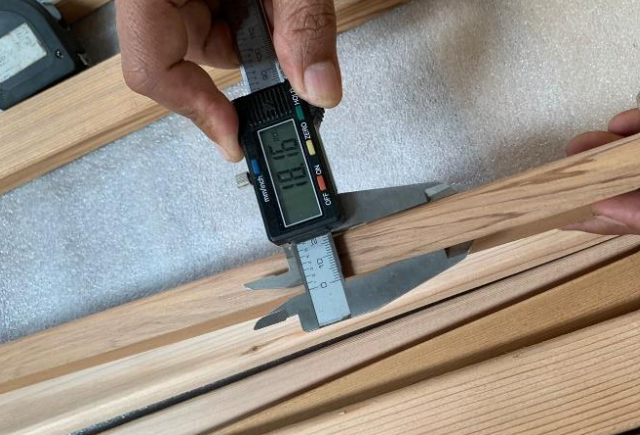
Dimensional checks verify that critical dimensions comply with drawings, specifications, or tolerance limits.
This may include:
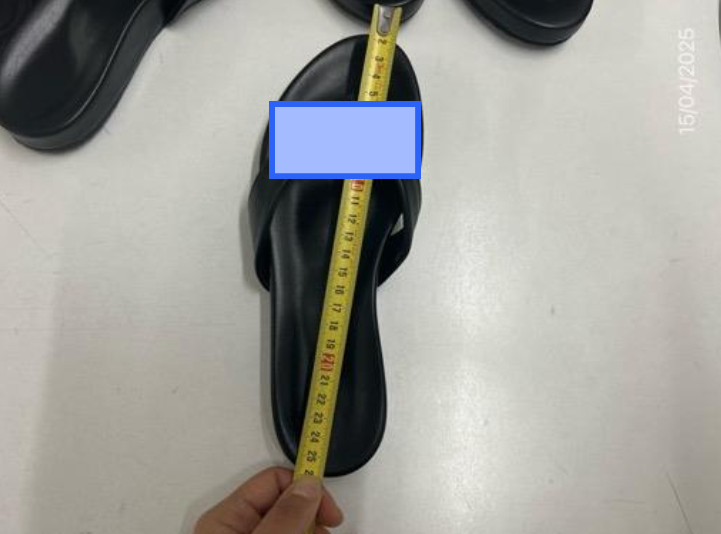
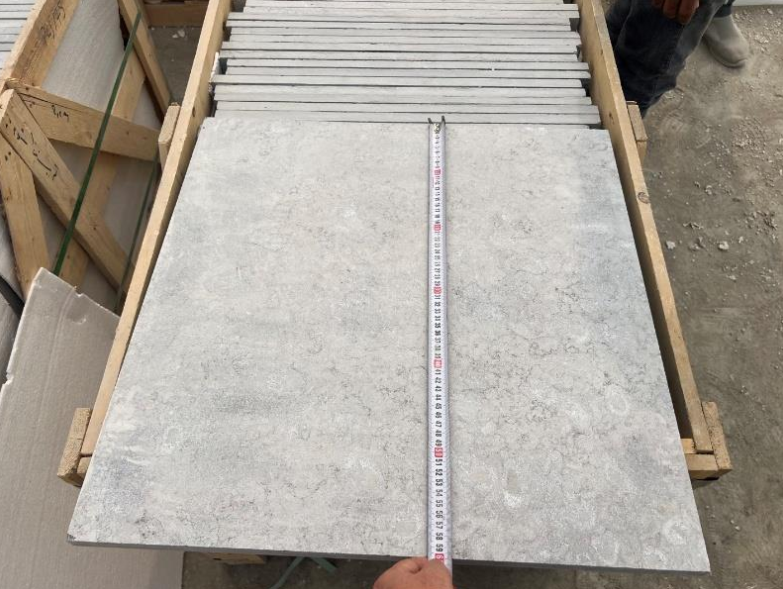
- Measurement of key dimensions using appropriate tools
- Verification of tolerances
- Identification of dimensional drift across samples
Dimensional inspection is particularly critical for mechanical, industrial, or interfacing components.
Functional and Performance Checks
Where applicable, functional checks are performed to verify basic operation or performance.
Examples include:
- Assembly fit checks
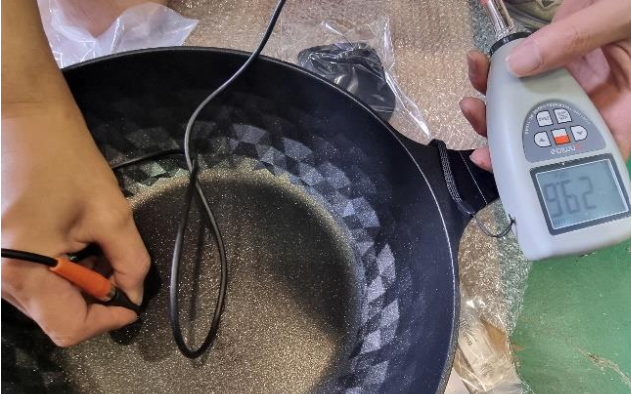
- Simple functional activation tests
- Verification of moving parts or interfaces
PSI does not replace laboratory testing or full performance validation unless explicitly defined in scope.
Packaging and Labeling Verification
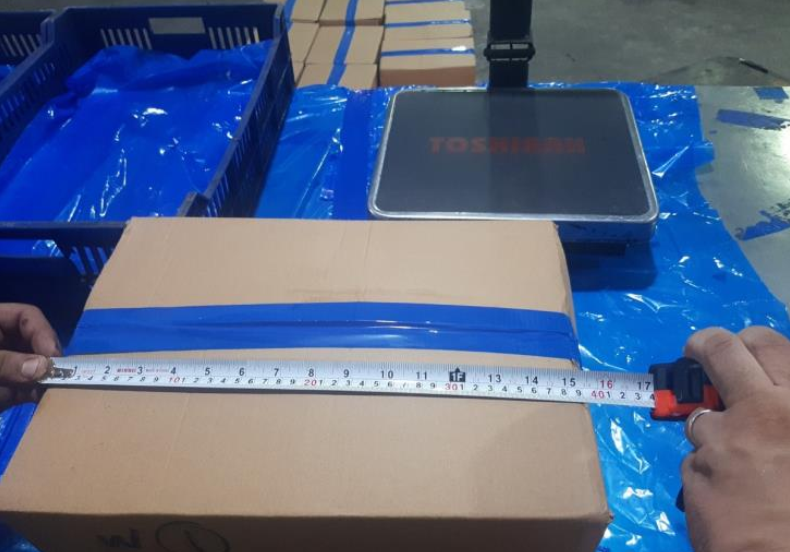
Packaging inspection verifies that goods are protected, identified, and prepared for transport as agreed.
Typical checks include:
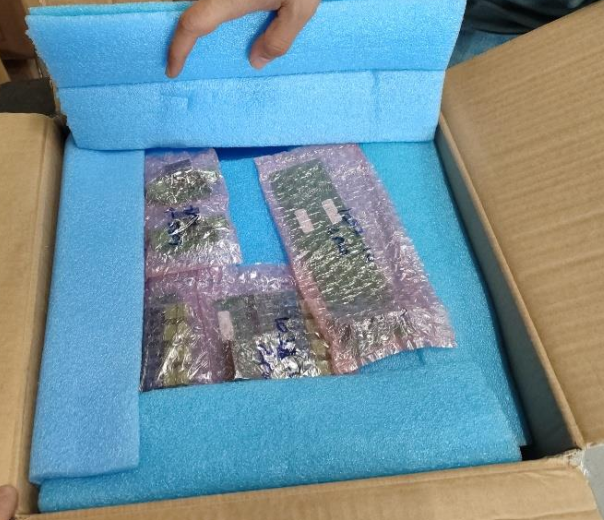
- Packaging integrity and suitability
- Carton strength and internal protection
- Labeling accuracy (product, batch, destination)
- Compliance with marking or traceability requirements
Packaging non-conformities are a frequent source of transport damage and claims. Where applicable, PSI may also verify shipping marks, carton markings, batch identification, destination labels, and traceability references against the packing list or purchase requirements.
AQL Sampling and Defect Classification in PSI
Pre-Shipment Inspections are normally performed using statistical sampling, not 100% inspection, unless otherwise specified. Zurich commonly applies ISO 2859-based AQL (Acceptable Quality Limit) sampling principles where applicable and contractually agreed. AQL sampling defines:
- Sample size based on batch quantity
- Acceptance and rejection numbers
- Risk balance between buyer and supplier
AQL levels are selected according to product risk, historical performance, and contractual tolerance.
Defect Classification
Defects identified during inspection are typically classified as:
- Critical defects – Safety, regulatory, or severe functional risk
- Major defects – Functional or performance impact
- Minor defects – Cosmetic or non-functional impact
This classification directly affects inspection conclusions and shipment decisions.
Limitations of Sampling
Sampling provides a statistically representative snapshot of the batch at the time of inspection. It does not guarantee that all units are defect-free. This limitation is explicitly reflected in inspection reports and is a critical aspect of PSI interpretation in trade contexts.
Importance of Pre-Shipment Inspection Reports in International Trade
Pre-Shipment Inspection reports are widely used in international trade as objective commercial and legal reference documents, documenting the condition of goods at the time of shipment.
PSI reports are used to authorize shipment. A pass, conditional pass, or fail conclusion determines whether goods are shipped, reworked, or withheld.
In case of disputes related to quality, quantity, or condition, PSI reports serve as independent third-party evidence. They are commonly used in negotiations, claims, insurance cases, and arbitration.
What Does a Pre-Shipment Inspection Report Include?
A pre-shipment inspection report should provide a clear, evidence-based record of what was checked, what was found, and how the result was concluded. Depending on the inspection scope, the report may include:
- Order and product identification
- Inspection date, location, and supplier details
- Quantity checked against purchase order and packing information
- Sampling method and sample size
- Inspection checklist and acceptance criteria
- Defect classification by critical, major, and minor findings
- Photos of inspected goods, packaging, labels, defects, and shipment condition
- Overall conclusion such as pass, pending, or fail
- Inspector comments and limitations of scope
This report gives buyers a factual basis for shipment approval, corrective action, product sorting, product rework, or commercial discussion with the supplier.
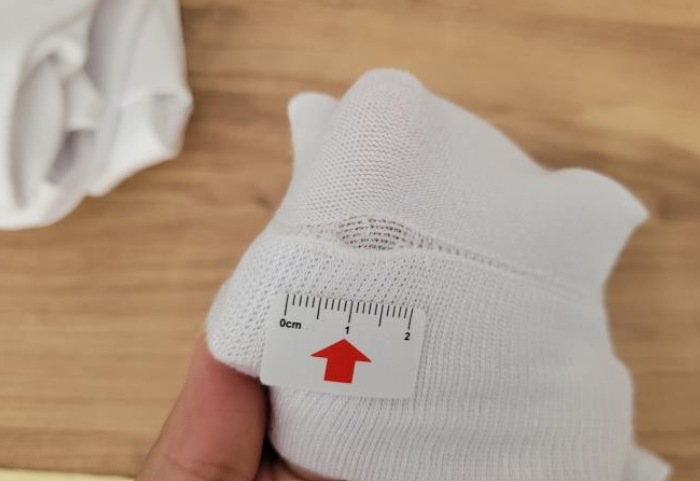
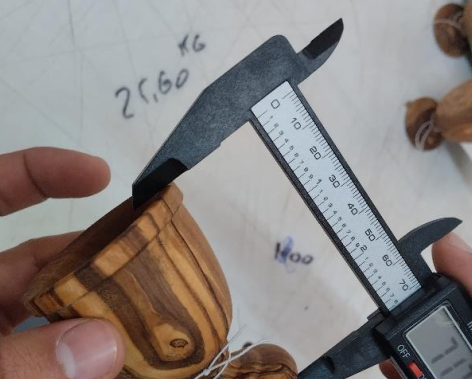
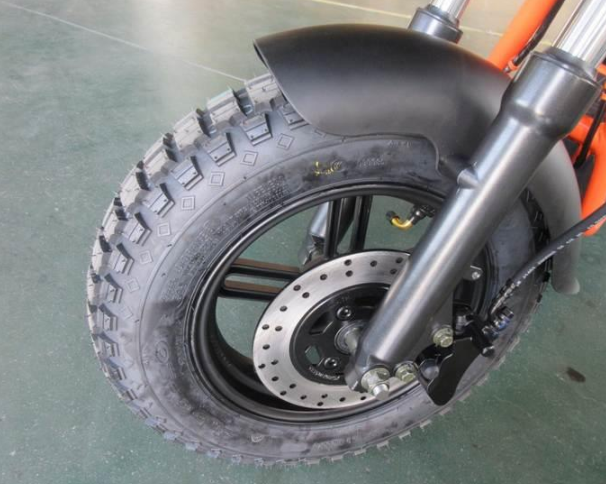
See Photos of Our Inspection Work
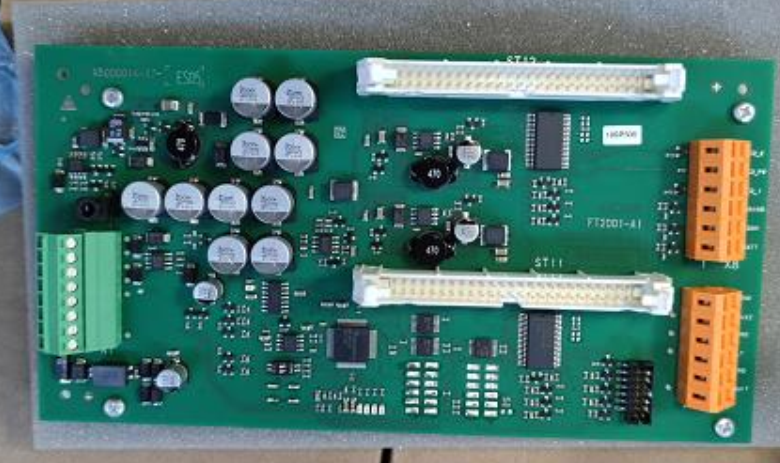
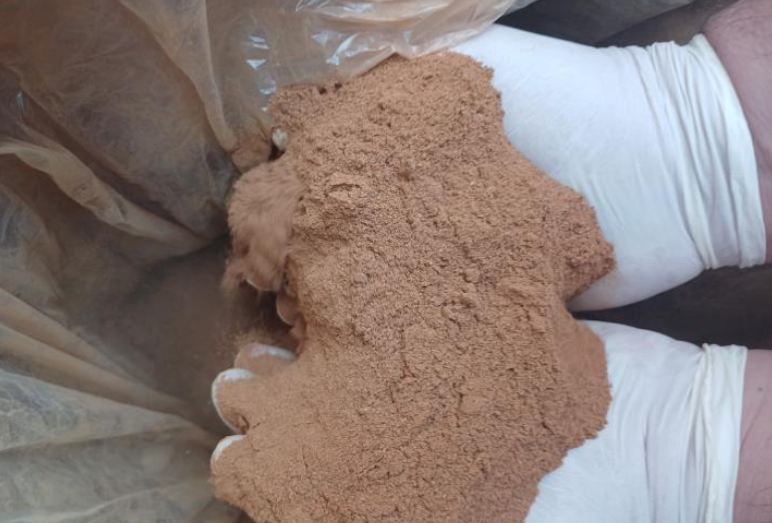
View selected photos from Zurich Inspection assignments, including product checks, packaging verification, labeling review, quantity checks, and shipment preparation before release.




Industries Supported by Pre-Shipment Inspection Services
Inspection scope is adapted to industry-specific risks, production methods, and acceptance criteria. Zurich provides final inspection services across a wide range of industries, including:
Consumer products and retail goods
Electronics and electrical equipment
Mechanical and industrial components
Textile, garments, and footwear
Automotive and mobility-related products
Regulated and safety-critical products
Global Pre-Shipment Inspection Coverage
Zurich Inspection operates through a global network of qualified inspectors, enabling PSI services to be delivered close to manufacturing, packing, and consolidation locations. This supports timely scheduling, realistic on-site verification, and rapid reporting before shipment decisions are made.

Asia
China, Korea, Japan, Taiwan, the Philippines, Malaysia, Indonesia, India, Pakistan, Sri Lanka, Singapore, Mongolia, Bangladesh, Thailand, Vietnam, Cambodia, Nepal, Laos
Middle East
Turkey, UAE, Saudi Arabia, Oman, Qatar, Jordan
Africa
Egypt, Morocco, Algeria, Senegal, Kenya, Nigeria, South Africa, Rwanda
Europe
Italy, France, Spain, Switzerland, Belgium, Portugal, Germany, Slovenia, Slovakia, Poland, Netherlands, Denmark, Finland, Norway, Sweden, Romania, Bulgaria, Greece
Americas
Argentina, Brazil, Dominican Republic
Pre-Shipment Inspection vs Other Quality Inspection Types
| Inspection Type | Primary Objective | Best Use Case | Limitations |
|---|---|---|---|
| Pre-Production Inspection | Production readiness | Before manufacturing starts | No finished product review |
| During Production Inspection | Process control | While production is ongoing | Limited to sampled stages |
| Pre-Shipment Inspection | Finished-goods conformity | Before shipment approval | Does not prevent earlier process issues |
| Container Loading Inspection | Loading and shipment verification | During loading and sealing | Does not replace product conformity inspection |
This comparison helps buyers choose the right inspection method based on where the main risk sits: production readiness, process stability, finished-goods conformity, or shipment loading.
How Zurich Conducts Pre-Shipment Inspection
Zurich applies a structured, repeatable inspection methodology designed to ensure consistency, neutrality, and evidentiary value.
Each PSI assignment is prepared before the inspector arrives on site. The inspection scope, sampling approach, product requirements, and reporting expectations should be defined in advance to avoid ambiguity during the visit.
I. Inspection Preparation
- Review of purchase order and specifications
- Definition of inspection scope and sampling plan
- Alignment on acceptance criteria
II. On-Site Inspection
- Random selection of inspection samples
- Visual, dimensional, and functional checks
- Verification of packaging and labeling
- Documentation of findings
III. Reporting and Findings
- Clear identification of conformities and non-conformities
- Classification of defects by severity
- Summary conclusion indicating pass, pending, or fail
- Evidence-based reporting to support shipment decisions
Request Pre-Shipment Inspection Support
Zurich Inspection supports companies that need independent verification before goods are released for shipment. To request a PSI quote, share the product details, supplier address, order quantity, packing status, target inspection date, and any applicable specifications, drawings, samples, or acceptance criteria.
Our team will review the request and recommend the inspection scope, sampling approach, and estimated man-days based on product risk, batch size, and location.
Use the form below or contact our team at info@zurich-inspection.com
Related Quality Control Services
Pre-shipment inspection is often combined with other controls depending on production risk. For earlier-stage visibility, Zurich can support During Production Inspection or Pre-Production Inspection. When shipment execution is critical, Container Loading Inspection can be added after PSI. If defects are found and the batch needs containment, Product Sorting Services may be required before release.
Pre-Shipment Inspection FAQs
Does a Pre-Shipment Inspection guarantee product quality?
No. A PSI does not guarantee overall product quality. It verifies the conformity of a statistically selected sample of finished goods against agreed specifications and acceptance criteria at the time of inspection.
Can shipment be delayed or withheld based on PSI findings?
Yes. PSI findings are commonly used to approve, conditionally approve, or withhold shipment until identified non-conformities are corrected or commercially resolved.
Are Pre-Shipment Inspection reports legally binding?
Pre-Shipment Inspection reports are independent, factual third-party documents. They are not guarantees, but they are widely used as evidence in commercial discussions, claims, and dispute resolution.
Does a PSI cover 100% of the shipment?
No. Unless explicitly specified, a PSI is performed using statistical sampling, not full inspection. Sampling provides a representative assessment of the batch but does not guarantee that all units are defect-free. This limitation is clearly stated in inspection reports.
What happens if defects are found during a PSI?
If defects are identified, the inspection report documents their type, quantity, and severity. Based on these findings, buyers may accept the shipment, request rework or sorting, require a follow-up inspection, or withhold shipment pending resolution. The PSI report provides the factual basis for this decision.
Can PSI findings affect payment terms?
Yes. In many contracts, PSI results are linked to shipment authorization or payment release. Unsatisfactory inspection outcomes may delay shipment, payment, or both until issues are resolved.
How does a PSI differ from supplier self-inspection?
A PSI is conducted by an independent third party, whereas supplier self-inspections are internal controls. Independence reduces bias and increases the credibility of inspection results, especially in contractual or cross-border trade contexts.
How should buyers interpret a “pass” PSI result?
A “pass” result indicates that the sampled goods inspected met the defined acceptance criteria at the time of inspection. It does not constitute a guarantee of overall quality or future performance, but it supports shipment release based on objective evidence.
When should a pre-shipment inspection be scheduled?
A PSI should normally be scheduled when production is complete and the goods are packed or ready for packing. This allows the inspector to verify finished-goods conformity, quantity, packaging, labeling, and shipment readiness before the goods leave the supplier’s control.
What documents are needed before a PSI?
Useful documents include the purchase order, product specifications, drawings, approved samples, packing list, labeling requirements, inspection checklist, and any agreed acceptance criteria. For technical products, drawings, tolerance limits, test plans, or special inspection instructions should be shared before the visit.
About Us
Zurich Inspection is an independent third-party inspection and audit company delivering on-site quality inspections, supplier audits, and technical verification across 50+ countries.
Zurich Compliance & Ethics Charter
This charter defines the principles that guide how we inspect, audit, report, and act on every assignment.